When your roof starts showing its age, picking the right roofing company in St. Louis, MO can feel like a minefield, especially when every contractor seems to promise the same thing. The truth is, not all contractors are built the same, and the difference between a good choice and a bad one often comes down to a few key details most homeowners overlook until it’s too late. Here’s what you actually need to know before signing anything.

Local Knowledge Isn’t a Nice-to-Have, It’s Everything
St. Louis weather doesn’t play nice. Between hail-heavy spring storms, brutal summer heat, and the occasional ice storm that catches everyone off guard, roofs here take a beating that contractors from out of state simply aren’t prepared for. A crew that rolls in after a storm, does a quick job, and disappears back across state lines has no stake in how your roof holds up six months from now.
A locally rooted contractor knows which materials hold up best against Missouri’s climate swings, understands local building codes, and will still be around when you have questions after the job is done. That kind of accountability matters more than most homeowners realize until something goes wrong. If you want a deeper look at why that local connection pays off, this breakdown of the top benefits of choosing a local roofing contractor is worth a few minutes of your time.
Credentials Are More Than Just a Piece of Paper
Licensing and insurance are the bare minimum, and you should absolutely verify both before letting anyone on your roof. But there’s a layer beyond that most homeowners skip: manufacturer certifications. When a contractor holds a designation like Owens Corning Preferred Contractor status, it means they’ve been vetted, trained, and approved to install products at a level that qualifies homeowners for stronger warranties.
That distinction matters because it shifts risk off your shoulders. A standard installation might come with a basic warranty. A certified installation from a credentialed contractor can mean decades of coverage that actually holds up if something fails. Here’s a closer look at what that certification actually means for St. Louis homeownersit’s more significant than most people expect.
Lane House Roofing & Exteriors, based right here in the St. Louis area, holds that Owens Corning Preferred status. It’s the kind of credential that separates contractors who are serious about their work from those who are just moving fast and moving on.
Get Clear on What You’re Actually Paying For
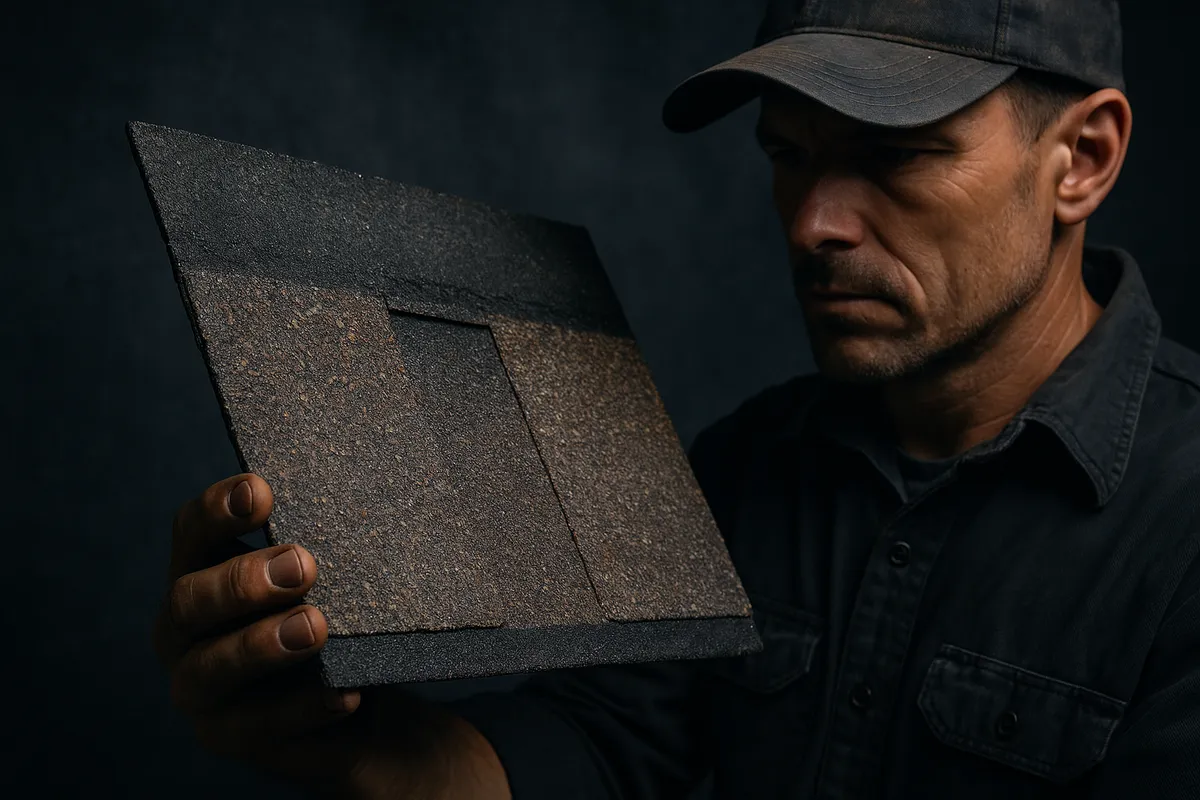
Price is always part of the conversation, and it should be. A roof replacement is one of the larger investments a homeowner makes, and you deserve to know exactly where your money is going. The problem is that low bids often look attractive on paper and fall apart in practice. Cheaper materials, shortcuts on underlayment, inadequate ventilation, these aren’t things you’ll notice on installation day. You’ll notice them two winters from now.
When you get estimates, ask for a line-by-line breakdown. What brand of shingles? What type of underlayment? What’s included in the warranty, and who backs it, the contractor or the manufacturer? A contractor who can answer those questions clearly and confidently is one worth trusting. One who gets vague or defensive when you push for details is telling you something important.
If you’re trying to get a realistic sense of what a replacement actually costs in this market, this guide to roof replacement costs in St. Louis lays out what homeowners are actually paying in 2026, not ballpark figures, but real numbers.
Reviews Tell a Story, If You Know How to Read Them
Online reviews are useful, but only if you look past the star rating. Read for patterns. Are people consistently mentioning that the crew showed up on time and left the yard clean? Are there repeated comments about communication, or the lack of it? Those details reveal far more about how a contractor operates than a five-star average ever could.
Homeowners who’ve worked with Lane House consistently point to two things: the quality of the work itself and the way the team communicates throughout the process. That second part, knowing what’s happening, when it’s happening, and why, is something people genuinely appreciate when they’ve been through a major home project before and know how badly it can go when communication breaks down.
Beyond reviews, ask for references from recent jobs in your area. A contractor confident in their work won’t hesitate to connect you with past customers. If they do hesitate, that’s your answer.
Timing and Urgency Should Never Be Used Against You
Storm chasers are a real problem in this region. After a significant hail event, contractors flood the area offering quick inspections and same-day deals designed to pressure homeowners into signing before they’ve had a chance to think. That urgency is manufactured. A legitimate contractor will give you time to review your estimate, ask questions, and make a decision that’s right for you.
If you’ve had recent storm damage and aren’t sure whether your roof needs a full replacement or something less involved, start with a proper inspection from someone you trust. The hail damage inspection process in St. Louis is worth understanding before you let anyone tell you what your roof needs.
The right contractor will tell you the truth about your roof’s condition, even if that truth is that you have more time than you think. That kind of honesty is rare, and it’s exactly what separates professionals worth hiring from those you should walk away from. If you’re ready to talk to a team that operates that way, getting a free estimate is a straightforward place to start.
Frequently Asked Questions
What does Owens Corning Preferred Contractor status actually mean for my warranty coverage?
It means the contractor has been vetted, trained, and approved by Owens Corning to install their products at a level that qualifies you for stronger, longer-lasting warranties than a standard installation would provide. The difference matters because it shifts the risk off your shoulders, if something fails, you have decades of coverage that actually holds up rather than a basic warranty that may leave you with little recourse. Lane House Roofing & Exteriors holds that certification right here in the St. Louis area, which is part of what separates them from crews that move fast and move on.
How do I know if a low bid is cutting corners or just genuinely competitive?
Ask for a line-by-line breakdown of the estimate, specifically the brand of shingles, the type of underlayment, and whether the warranty is backed by the contractor or the manufacturer. Cheaper bids often hide shortcuts in those details, things like inadequate ventilation or inferior underlayment that you won’t notice on installation day but will absolutely notice two winters from now. A contractor who gets vague or defensive when you push for specifics is telling you something important about how they operate.
Why does it matter whether a contractor is based locally in St. Louis versus coming in from out of state?
St. Louis weather puts roofs through a specific kind of stress, hail-heavy spring storms, brutal summer heat, and ice storms, that out-of-state crews aren’t prepared for and don’t have to live with the consequences of. A local contractor knows which materials hold up against Missouri’s climate swings, understands local building codes, and will still be reachable when you have questions months after the job is finished. A crew that rolls in after a storm and disappears back across state lines has no stake in how your roof performs long-term.
What should I actually look for when reading reviews beyond the star rating?
Look for patterns in the details, whether reviewers consistently mention the crew showing up on time, leaving the yard clean, and communicating clearly throughout the project. Those specifics reveal far more about how a contractor actually operates than an overall rating ever could. Beyond reviews, ask for references from recent jobs in your area, and if a contractor hesitates to provide them, treat that hesitation as your answer.
How do I handle a contractor pressuring me to sign quickly after a storm?
That urgency is manufactured, storm chasers flood the St. Louis area after significant hail events specifically to pressure homeowners into signing before they’ve had time to think or compare estimates. A legitimate contractor will give you time to review the estimate, ask questions, and make a decision that actually makes sense for your situation. If you’re unsure whether your roof even needs a full replacement, get a proper inspection from someone you trust before letting anyone tell you what your roof needs.
Get Directions to Lane House Roofing & Exteriors
🎧 Listen to this as a podcast
Also on Apple Podcasts, Spotify, and Amazon Music.