
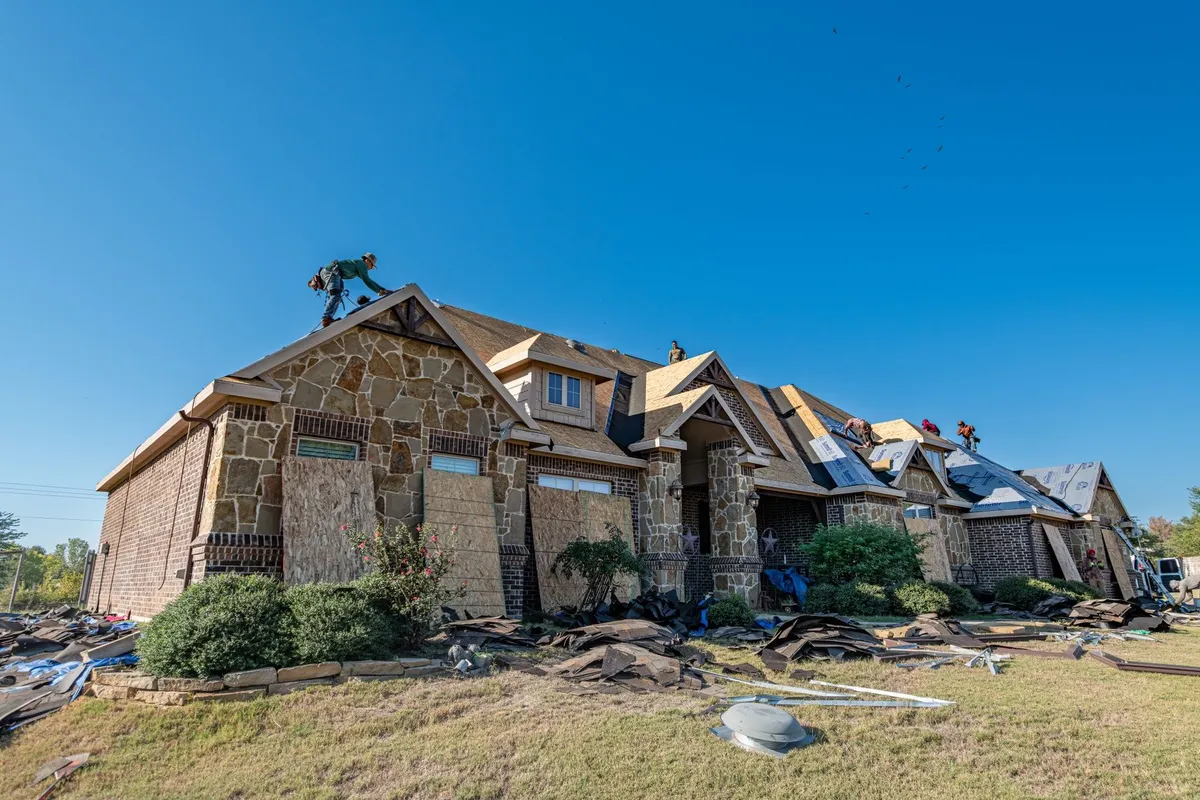
Getting a straight answer on roofing costs can feel like pulling teeth. Ask three different contractors and you might get three wildly different numbers. If you’re working with a roofing company in St. Louis, MOthe price you pay depends on a surprisingly long list of variables, and understanding them before you sign anything could save you thousands of dollars. Here’s what actually drives the cost of a new roof installation and how to make sense of the estimates landing in your inbox.
The Size of Your Roof Is Just the Starting Point
Most homeowners assume square footage is the biggest cost driver, and it matters, but it’s rarely the whole story. Roofers measure in “squares,” with one square equaling 100 square feet of roof surface. A typical St. Louis home runs anywhere from 20 to 35 squares, but the shape of that roof changes the math considerably.
A simple gable roof with two slopes is fast to install and wastes very little material. A complex hip roof with multiple valleys, dormers, and steep pitches? That’s a different job entirely. More cuts, more waste, more labor hours. Two homes with identical square footage can carry a $3,000 to $5,000 price difference just based on roof complexity.
Pitch also plays a role. Steeper roofs require additional safety equipment and slow the crew down. Anything above a 6:12 pitch typically carries a steep-slope surcharge. If your home has a dramatic roofline, factor that in when you’re comparing quotes.
Material Choice Will Make or Break Your Budget
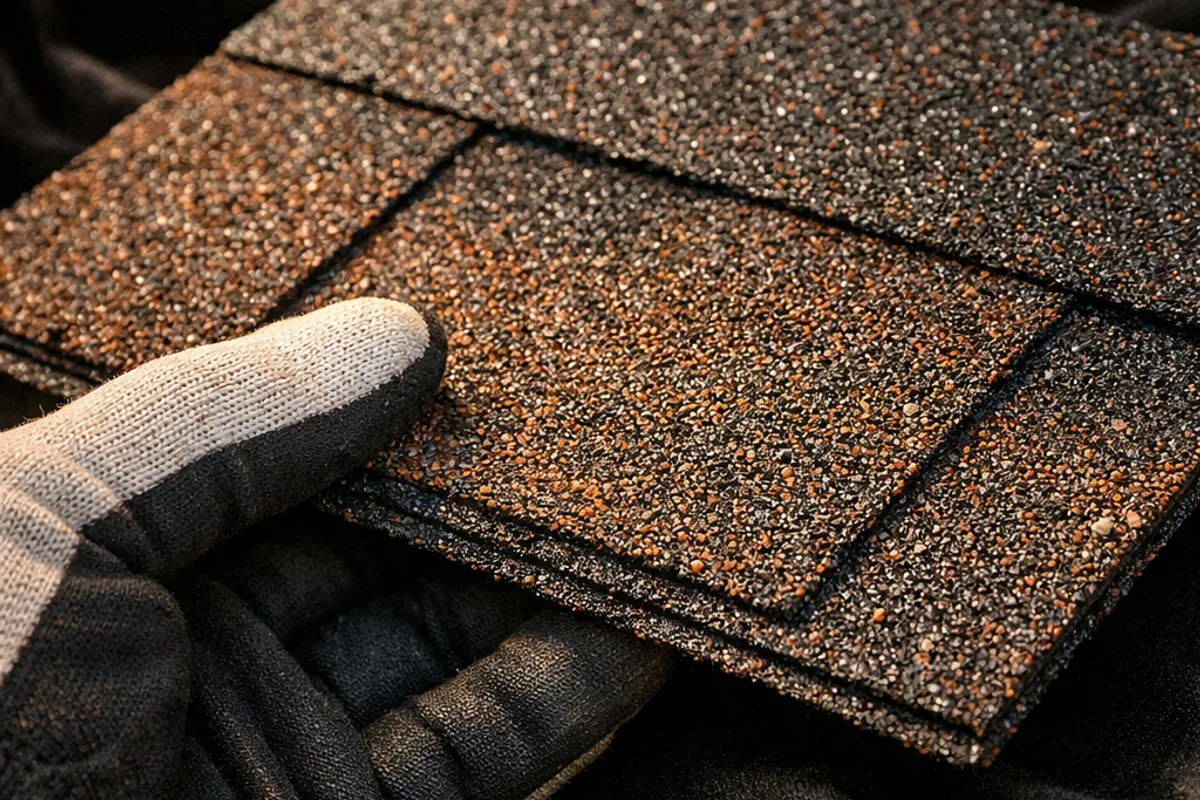
The shingles, or panels, if you’re going metal, are where homeowners have the most control over their final cost. Architectural asphalt shingles remain the most popular choice across the St. Louis area because they offer solid durability at a reasonable price point. They typically last 25 to 30 years and handle Missouri’s freeze-thaw cycles reasonably well.
Step up to designer or impact-resistant shingles and you’re looking at a meaningful price jump, but also a potential discount on your homeowner’s insurance premium. Metal roofing sits at the higher end of the cost spectrum upfront, but the lifespan, often 40 to 50 years, changes the long-term math significantly. If you’re weighing those two options, this breakdown of asphalt shingles vs. metal roofing for St. Louis homes lays out the cost, lifespan, and insurance considerations in plain language.
One thing worth knowing: the underlayment, decking condition, and ventilation components underneath the shingles also affect your total. A reputable contractor won’t skip these details even if it adds to the line items on your estimate.

What the Estimate Doesn’t Always Show You
Here’s where homeowners get caught off guard. A low estimate isn’t always a good deal, sometimes it’s just an incomplete one. Watch for quotes that don’t itemize tear-off costs, disposal fees, or decking replacement. These aren’t optional line items. They’re real costs that will show up one way or another.
Tear-off and haul-away of your old roof can add $1,000 to $2,500 depending on the number of existing layers and the size of your home. If your decking has soft spots or rot, common in older St. Louis homes, replacing those sections adds more. A contractor who doesn’t mention this upfront isn’t being dishonest necessarily, but they may not be giving you an apples-to-apples comparison with other bids.
Permits are another line item that disappears from low-ball quotes. Most municipalities in the St. Louis metro area require a permit for a full roof replacement. A contractor who skips the permit is cutting a corner that could create problems when you sell your home or file an insurance claim down the road.
For a more detailed look at what St. Louis homeowners are actually paying right now, this resource on roof replacement cost in St. Louis breaks it down by material type and home size.
Timing, Financing, and Getting the Most From Your Investment
Roofing costs aren’t entirely fixed. Demand fluctuates throughout the year, and late fall through early spring often brings more flexibility from contractors who want to keep crews busy. That said, don’t let the calendar push you into a decision before you’re ready, a rushed choice on a contractor is more expensive than waiting a few weeks for the right one.
If the upfront cost is a barrier, financing options have expanded considerably. Many homeowners in the area are surprised to learn they can spread a roof replacement over several years without touching their home equity. Lane House Roofing and Exteriors works with homeowners across the St. Louis metro, from Kirkwood to Ballwinand the feedback from customers consistently points to transparency and clear communication as what sets a quality contractor apart from the rest.
One thing that stands out in conversations with local homeowners who’ve gone through the process: the ones who felt best about their experience were the ones who asked questions early and got clear, written answers. Don’t accept a verbal estimate. Don’t skip the contract review. And don’t assume the cheapest bid accounts for everything the job actually requires.
A new roof is one of the largest single investments you’ll make in your home. Treating the estimate process with the same seriousness as the installation itself is the smartest place to start.
Frequently Asked Questions
How much more will I pay if my St. Louis home has a complex roof with dormers and multiple valleys?
Two homes with the exact same square footage can differ by $3,000 to $5,000 based on roof complexity alone, more cuts, more wasted material, and more labor hours all add up fast. If your home has a hip roof, dormers, or steep pitches above a 6:12 slope, expect a steep-slope surcharge on top of that baseline difference. Getting a detailed written estimate that breaks out complexity and pitch factors separately will help you understand what you’re actually paying for.
Is a lower bid from a St. Louis contractor always a red flag?
Not always, but a low bid is worth scrutinizing closely, sometimes it’s just an incomplete one that leaves out tear-off, disposal fees, or decking replacement. Those aren’t optional costs; tear-off and haul-away alone can run $1,000 to $2,500 depending on how many layers are already on your roof. Ask every contractor to itemize those line items so you’re comparing the same scope of work across all your bids.
Do I really need a permit for a full roof replacement in the St. Louis area, and what happens if my contractor skips it?
Most municipalities in the St. Louis metro require a permit for a full roof replacement, and skipping it isn’t a minor technicality. It can create real problems when you go to sell your home or file an insurance claim down the road. If a contractor’s bid doesn’t mention permits, ask them directly how they handle it before you sign anything.
How long do architectural asphalt shingles actually last in Missouri’s climate compared to metal roofing?
Architectural asphalt shingles typically last 25 to 30 years and hold up reasonably well through Missouri’s freeze-thaw cycles, which makes them the most common choice in the St. Louis area. Metal roofing costs more upfront but can last 40 to 50 years, which changes the long-term math considerably if you plan to stay in your home. Some impact-resistant shingle options also qualify for homeowner’s insurance discounts, so it’s worth checking with your insurer before you decide.
Is there a better time of year to get a roof replacement in St. Louis if I want more room to negotiate on price?
Late fall through early spring tends to bring more flexibility from contractors who want to keep their crews working through slower months. That said, the article is clear that letting the calendar pressure you into a rushed decision is more expensive than waiting a few extra weeks to find the right contractor. A bad contractor at a discount is still a bad contractor.
Get Directions to Lane House Roofing & Exteriors
🎧 Listen to this as a podcast
Also on Apple Podcasts, Spotify, and Amazon Music.