
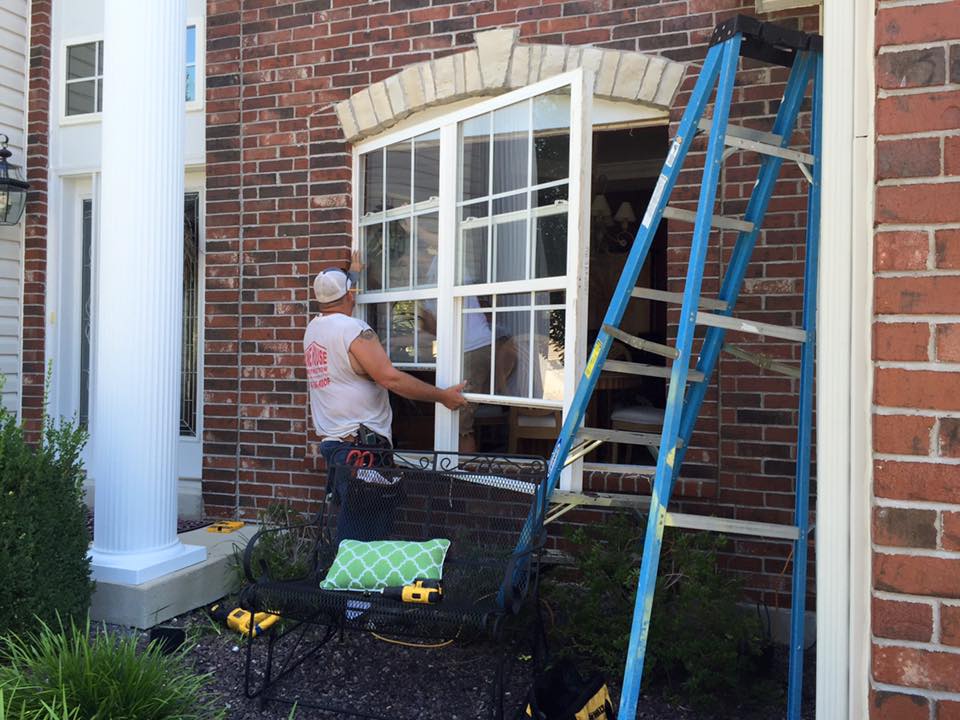
Replacing windows sounds straightforward on paper: pull the old unit, drop in the new one, seal it up, done. In practice, the job almost never goes that cleanly. Rotted framing hidden behind the interior trim, out-of-square rough openings, water damage that has been quietly spreading behind the siding for years, these are the complications that separate a rough estimate from a real one. Customers who have gotten a quote and then watched the final number climb aren’t being taken advantage of. They’re seeing what the wall actually looked like once someone opened it up.
What’s Hiding Behind the Frame
The most common mid-job surprise is wood rot in the rough opening. A window can look perfectly fine from the outside, with intact glass and a functional lock, while the sill plate and jack studs beneath it are soft and crumbling. Water finds the smallest gap in flashing or caulking, works its way into the framing, and sits there for years. By the time a homeowner notices a draft or a sticking sash, the structural damage is already well established.
Repairing that framing before setting a new unit adds both labor and material cost. How much depends on the extent of the rot. A single soft sill plate might add a few hundred dollars. Damage that has spread to the king studs or the header can push that number considerably higher, and the scope isn’t fully visible until the old window comes out. Contractors who give a firm all-in price before opening the wall are either guessing or building in a large contingency. The honest approach is a base price with a clear explanation of what triggers additional charges.
The Problem With Old Openings
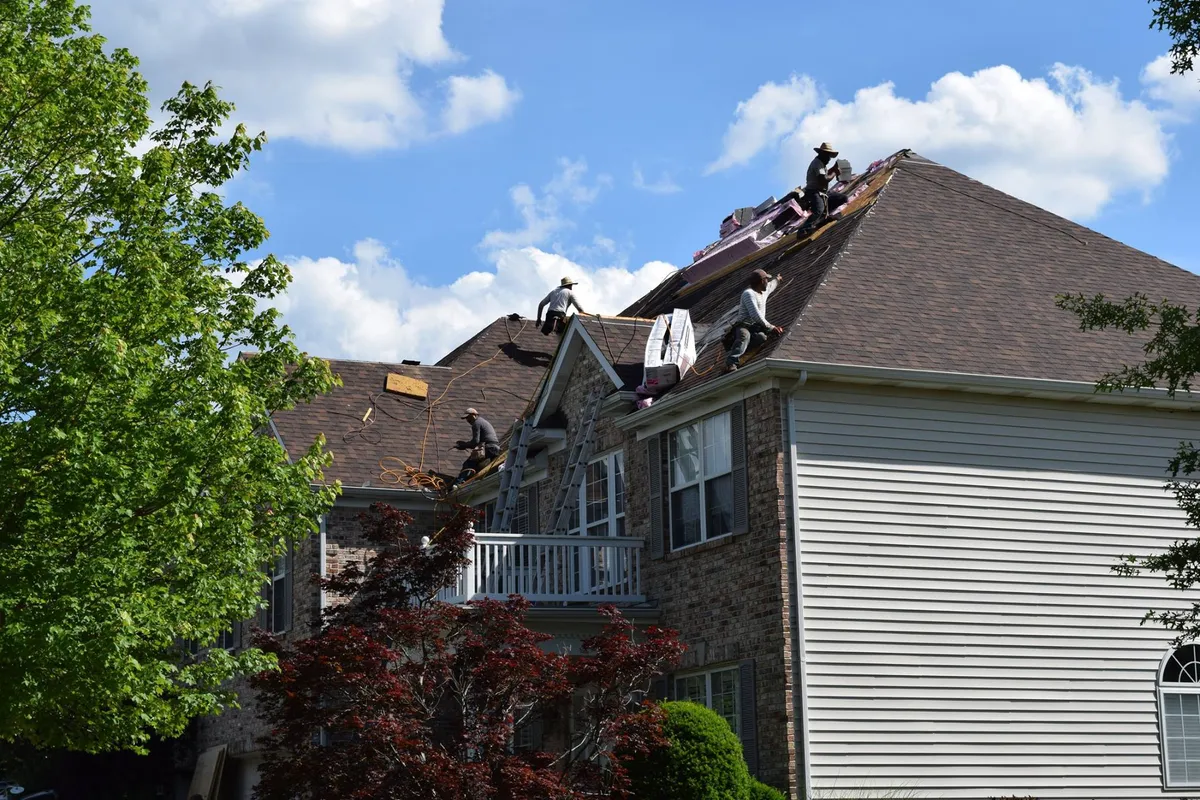
Houses built before modern construction standards were rarely framed to tight tolerances. A rough opening that was square and plumb when it was built may have racked over time as the structure settled. In older homes across Manchester MO and the broader St. Louis, MO area, this is common enough that experienced crews expect it rather than treat it as an exception.
An out-of-square opening creates real problems for window installation. Modern replacement units are manufactured to precise dimensions. If the opening is a half-inch out of plumb, the unit won’t sit correctly, the sash won’t operate smoothly, and the seal at the frame perimeter will be compromised from day one. Correcting the opening before the new window goes in is the only way to get a result that performs as it should. That correction takes time, and time on a job site costs money. Homeowners should ask specifically how their contractor handles this situation before work begins.
Flashing, Drainage, and the Details That Get Skipped
Proper flashing around a window opening is where a lot of otherwise decent work falls short. The flashing sequence matters: head flashing over the top, sill pan flashing underneath, with the layers lapping in the right direction so water that gets past the exterior cladding has a path out rather than a path in. Get the order wrong, and the new window will develop the same water intrusion problem the old one had, just on a slower timeline.
Lane House Roofing & Exteriors has observed that homeowners often don’t ask about flashing at all during the estimate conversation, and some contractors don’t volunteer the information. The result is a window that looks great on installation day and starts showing moisture problems two or three years later. Asking a contractor to walk through their flashing method before you sign anything is a reasonable and important question. A contractor who can’t explain the sequence clearly probably isn’t executing it carefully.
Siding condition compounds this issue. If the cladding around an opening is damaged or improperly lapped, even well-installed flashing won’t fully protect the wall assembly. Jobs in areas like Webster Groves or along Watson Road corridors where older siding types are common often require more prep work around the opening than a newer construction home would.
Timeline Shifts and How to Handle Them
Most window jobs on a single-family home are planned as one- or two-day projects. When hidden damage shows up, that timeline stretches. Framing repairs have to cure or dry before the new unit goes in. Special-order sizes, which come up more often than homeowners expect on older homes with non-standard openings, can add days or weeks to the schedule depending on the manufacturer’s lead time.
The right response to a timeline shift isn’t frustration, it’s documentation. Lane House Roofing & Exteriors recommends that customers ask for a written change order any time scope expands mid-project. That document should describe what was found, what the fix involves, and what it adds to the total cost. A contractor who resists putting changes in writing is a contractor worth being cautious about. Good crews understand that transparency on surprises is what builds long-term trust, not what damages it.
For homeowners in Manchester MO considering a full exterior project, it’s worth knowing that window work often connects to roofline and soffit conditions as well. A roofing contractor serving Manchester, MO who also handles exteriors can assess both systems at once and flag problems that a window-only crew might not catch. Similarly, if your home is in the Affton area, a roofing contractor serving Affton, MO with exterior experience can give you a fuller picture of what the wall assembly looks like above and below the window line.
Lane House Roofing & Exteriors serves homeowners throughout St. Louis, MO and the surrounding area from their location at 3814 Lemay Ferry Rd St. Louis, MO 63125, (314) 845-2166. If you’re working through what a window project actually involves at your home, they’re a practical first call.
Frequently Asked Questions
What should I expect when replacing old windows in my home?
During the replacement process, you may encounter unexpected issues like wood rot in the framing or an out-of-square rough opening. These issues may increase both the labor and material costs, so it’s essential to have a clear understanding of what could be uncovered once the old window is removed.
How do contractors handle complications that arise during the job?
Contractors typically provide a base price estimate, but additional charges may apply if hidden damage is found. It’s crucial to ask for a written change order that details any new findings and the associated costs to maintain transparency throughout the process.
What are the common mistakes homeowners make when preparing for window replacement?
One common mistake is not addressing the condition of the surrounding siding or the flashing details before installation. Poorly installed or damaged siding can lead to water intrusion issues later, so it’s important to ensure everything is in good shape before starting the project.
How do timeline shifts affect the overall project duration?
Timeline shifts can occur if hidden damage is discovered, which may require additional framing repairs that need time to cure before new units can be installed. It’s advisable to document any changes in the timeline and the reasons behind them to avoid misunderstandings with the contractor.
Get Directions to Lane House Roofing & Exteriors
🎧 Listen to this as a podcast
Also on Apple Podcasts, Spotify, and Amazon Music.