
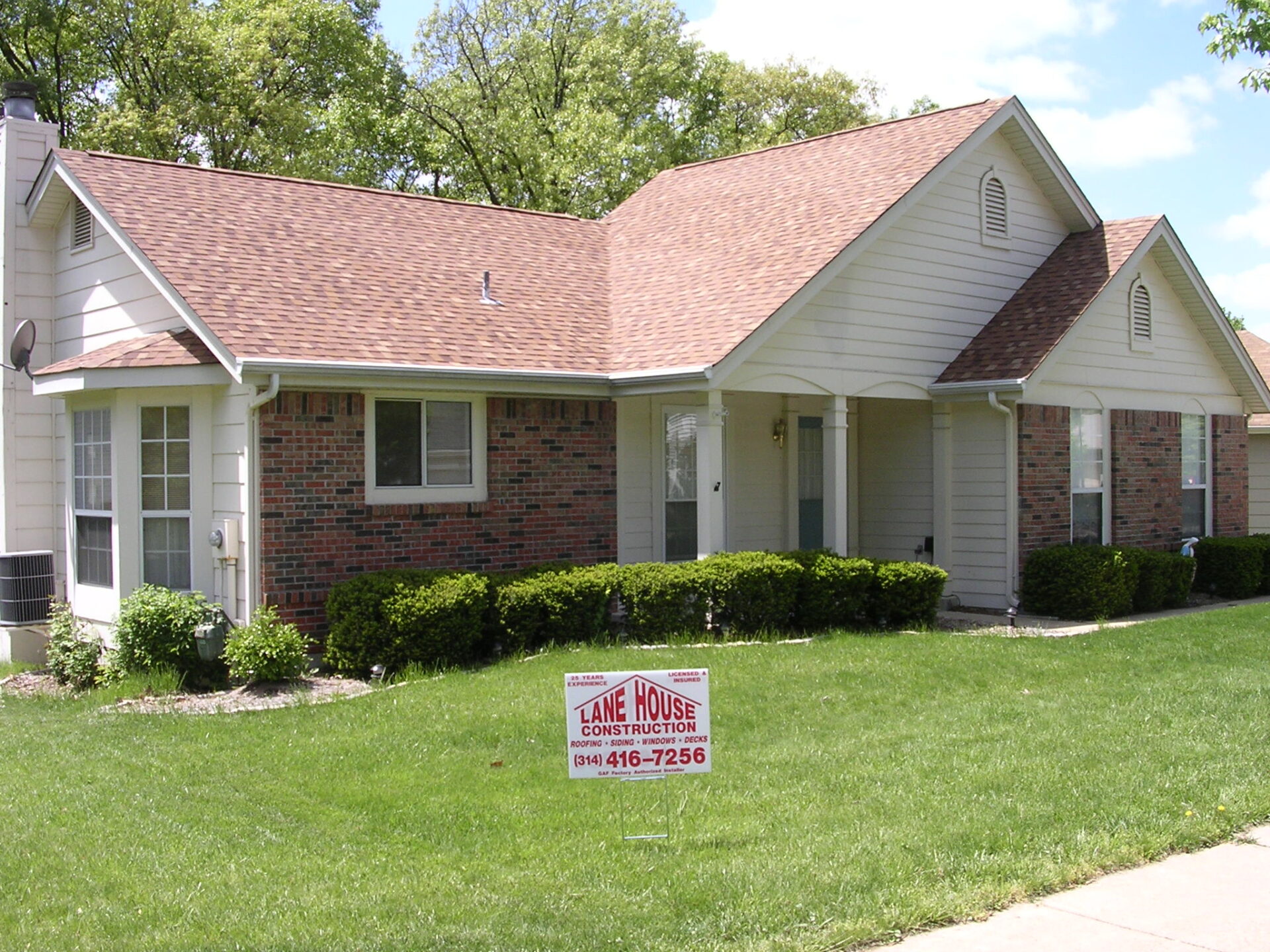
Most homeowners get one or two quotes, pick the lower number, and assume price is mostly about labor rates. That assumption costs people money. The actual drivers of what a new roof costs are structural, material, and logistical, and understanding them before you talk to a contractor puts you in a far better position to evaluate what you’re being quoted and why.
Roof Size and Geometry Are Not the Same Thing
Square footage is the starting point, but it is not the whole story. Roofing is priced in “squares,” where one square equals 100 square feet of roof surface. A 2,000-square-foot house does not have a 20-square roof. Pitch, overhangs, and dormers all add surface area that the footprint of the house never reveals.
Pitch matters enormously. A low-slope roof at a 4:12 pitch is walkable, fast, and requires standard equipment. A steep 10:12 or 12:12 pitch requires additional safety rigging, slows every crew movement, and increases both labor hours and material waste. On steep roofs, shingles are cut at angles that generate more scrap. That scrap gets factored into material orders as a waste percentage, typically 10 to 15 percent on simple roofs and up to 20 percent or more on complex ones.
Complexity compounds fast. Each valley, hip, ridge, and penetration adds cutting, flashing, and time. A simple gable roof on a ranch house in Affton, MO might take a crew one day. The same square footage on a Victorian with six dormers, two chimneys, and a skylight could run two to three days. Labor cost scales with complexity, not just size.
What You’re Putting On the Roof Drives More of the Budget Than Most People Expect
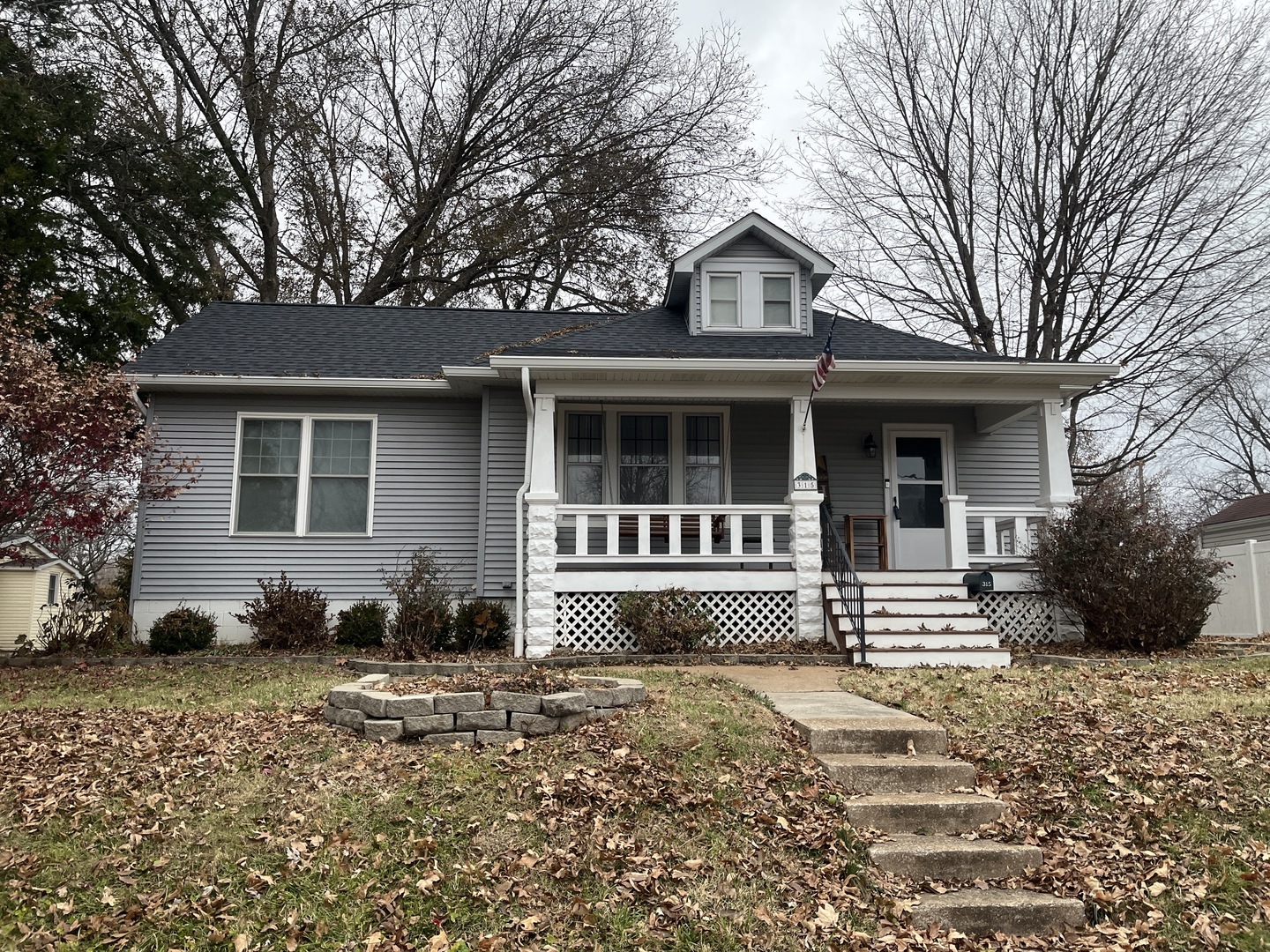
The shingle choice alone can swing a project by thousands of dollars. Three-tab asphalt shingles are the lowest-cost option, typically running $80 to $100 per square installed. Architectural (dimensional) shingles, which are now the standard in most markets, run $100 to $150 per square. Premium designer shingles from manufacturers like Owens Corning or GAF, with impact-resistance ratings and extended warranty coverage, can push $200 per square or higher.
Material costs extend beyond the shingles themselves. Underlayment, ice-and-water shield, ridge cap, starter strips, drip edge, and flashing are all line items. Cutting corners on underlayment is a common way a low bid stays low. Synthetic underlayments outperform traditional felt in tear strength and moisture resistance, and they cost more. The difference is real in performance, not just on paper.
Lane House Roofing & Exteriors is direct with clients about this: the shingle is what you see, but the underlayment system is what protects the deck when a shingle fails or lifts. Skimping on what goes under the shingles to lower the quote is a false economy. A roof that lasts 30 years earns that number from the full system, not just the surface layer.
Deck Condition and What Gets Found Underneath
This is the line item that genuinely cannot be known until the old roofing is stripped. Rotted or delaminated decking must be replaced before anything goes on top of it. Most contractors price deck replacement as an add-on, typically $2 to $4 per square foot for CDX plywood, and write it into the contract as a conditional cost.
Homes in the St. Louis, MO area that have had chronic ice damming, ventilation problems, or previous improper repairs often show significant deck damage. It is not unusual to find soft spots around valleys, along eaves, or adjacent to chimney penetrations where water has been sitting for years. A thorough inspection before pricing can identify high-risk zones, but some damage only shows up once the old material is off.
Ventilation is related and often overlooked. Inadequate attic ventilation accelerates shingle degradation from the underside and voids manufacturer warranties on most major shingle lines. Correcting it during a re-roof, whether by adding soffit vents, ridge vents, or both, adds cost but protects the investment. Lane House Roofing & Exteriors treats ventilation as a required part of a complete installation, not an optional upgrade.
Disposal, Access, and Site Conditions
Tear-off and disposal of the old roof is a real cost that sometimes gets buried in a quote. A standard residential tear-off generates two to four tons of debris. Dumpster fees, haul-away costs, and landfill tipping fees vary by market. In the St. Louis area, disposal alone can add $500 to $1,500 to a project depending on roof size and whether multiple old layers need to come off.
Access matters too. A house with a driveway that accommodates a delivery truck and a dumpster close to the structure costs less to work on than a house with a narrow side yard, a steep driveway, or mature landscaping that requires protection. Some jobs in dense neighborhoods require hand-carrying materials up ladders rather than using a roofing hoist. That adds time. Time adds cost.
For homeowners dealing with storm-related damage, the insurance process introduces its own variables. If you are working through a claim after hail or wind damage, the storm roof replacement process in St. Louis involves documentation, adjuster meetings, and supplement negotiations that affect both timeline and final scope. Understanding those steps early avoids surprises.
Lane House Roofing & Exteriors serves homeowners across the St. Louis, MO area, including communities like Affton, and brings the same straightforward approach to every project: price what the job actually requires, explain every line item, and build roofs designed to last. The office is located at 3814 Lemay Ferry Rd St. Louis, MO 63125. Reach them at (314) 845-2166.
Frequently Asked Questions
What factors affect the overall cost of getting a new roof?
The cost is influenced by several factors including the size and pitch of the roof, the materials chosen, and the complexity of the design. For instance, a steep roof or one with many features like dormers and valleys will require more labor and materials, which can significantly increase the price.
How do material choices impact the price of my roofing project?
Material choices can swing the project cost by thousands of dollars. For example, three-tab asphalt shingles typically cost $80 to $100 per square installed, while premium designer shingles can exceed $200 per square, impacting the overall budget substantially.
What should I expect regarding deck condition during the project?
The condition of the decking can only be assessed once the old roofing is removed. If damage like rotting is found, replacing the deck can add $2 to $4 per square foot to the overall cost, which is often considered a conditional expense in quotes.
What are the disposal costs I should consider?
Disposal costs can vary, typically adding between $500 to $1,500 to a project, depending on the amount of debris generated. Factors like the size of the roof and whether multiple layers need to be removed will influence the final disposal costs.
Get Directions to Lane House Roofing & Exteriors
🎧 Listen to this as a podcast
Also on Apple Podcasts, Spotify, and Amazon Music.