
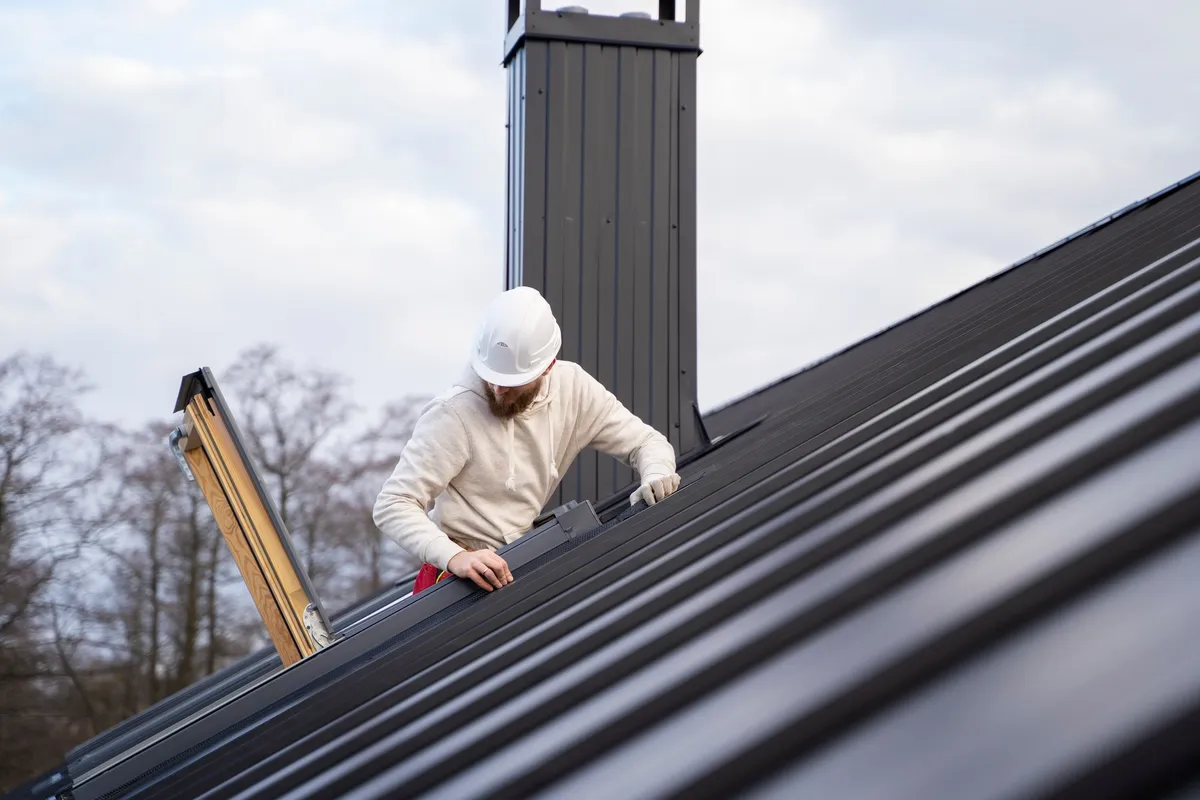
There’s a reason two houses on the same street can have wildly different roofing situations. One homeowner is getting a roof replacement in St. Louis, MO after 18 years of solid service, while their neighbor is scrambling to replace a roof that barely made it to 12. The difference often comes down to something most people never think about, where exactly you live, and what your specific surroundings are doing to your roof every single day.
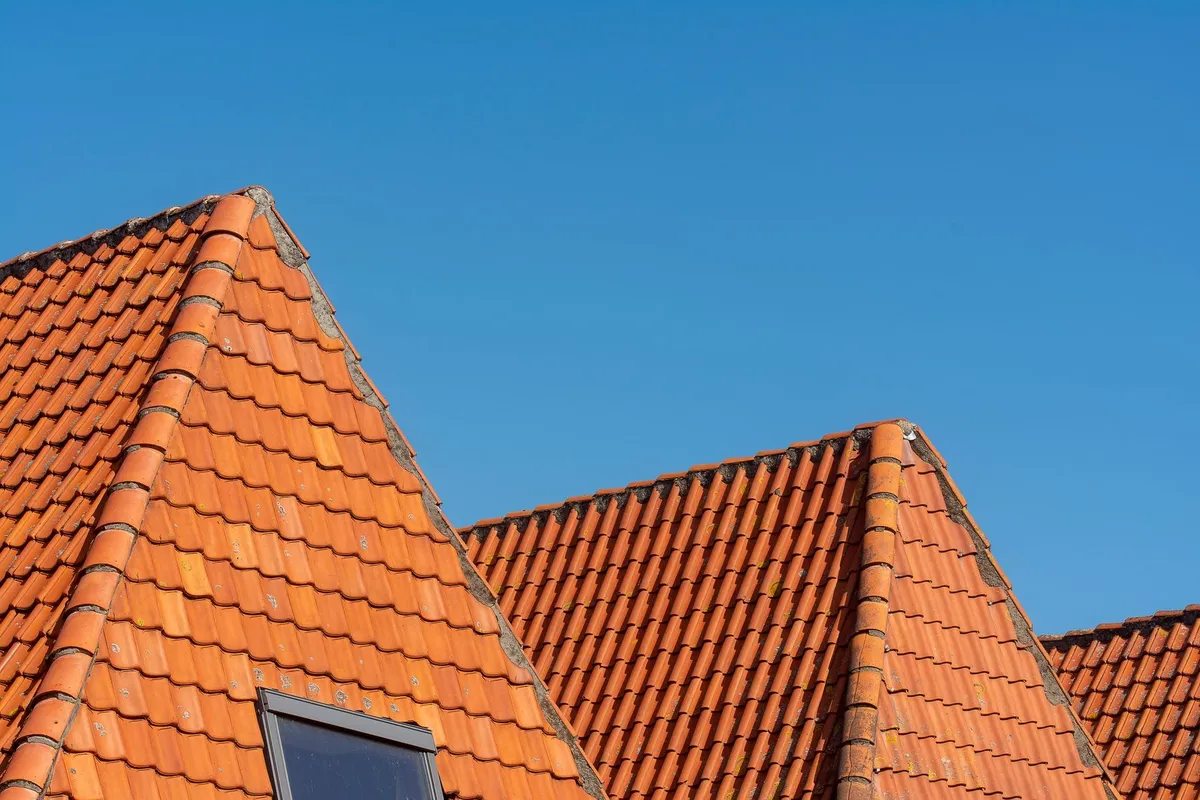
Your ZIP Code Has More to Say Than You Think
St. Louis isn’t a monolith. A home in Kirkwood sits under a completely different canopy of mature oak and maple trees than a newer build out in Arnold. Those trees are beautiful, but they’re also dropping debris, holding moisture against shingles, and creating the perfect environment for algae and moss to take hold. Homeowners in heavily wooded neighborhoods consistently deal with accelerated shingle deterioration, not because they bought a bad roof, but because their environment is relentless.
On the flip side, homes in more open, suburban neighborhoods like Sunset Hills or Maryland Heights get more direct sun exposure. That sounds like a win, but UV radiation is one of the leading causes of shingle granule loss over time. The granules are what protect the asphalt underneath. Once they’re gone, the clock is ticking fast.
The point is simple: your roof ages according to your environment, not just the calendar. Knowing what your neighborhood throws at your roof is the first step toward making a smart decision about when to replace it.
Storm Patterns Don’t Hit Every Block the Same Way
St. Louis weather is genuinely unpredictable, and longtime locals know that a severe storm can drop golf ball-sized hail on one subdivision while the neighborhood half a mile away barely gets rain. That patchwork storm pattern means some homeowners are dealing with storm-related roof damage far more frequently than others, and often without realizing the cumulative impact.
Hail damage is particularly sneaky. A single storm might not destroy a roof outright, but it weakens the shingles, bruises the granule layer, and creates microscopic fractures that let water work its way in over the following months. By the time a homeowner notices a stain on the ceiling, the damage has been building for a year or more. If your neighborhood took a direct hit in recent seasons, that’s worth taking seriously, not just as a claim opportunity, but as a genuine signal that your roof’s remaining lifespan may be shorter than you assumed.
The team at Lane House Roofing & Exteriors has worked across the St. Louis metro long enough to know which areas get hammered repeatedly and which tend to see lighter storm activity. That local knowledge matters when you’re trying to figure out whether your roof has a few good years left or is already on borrowed time.
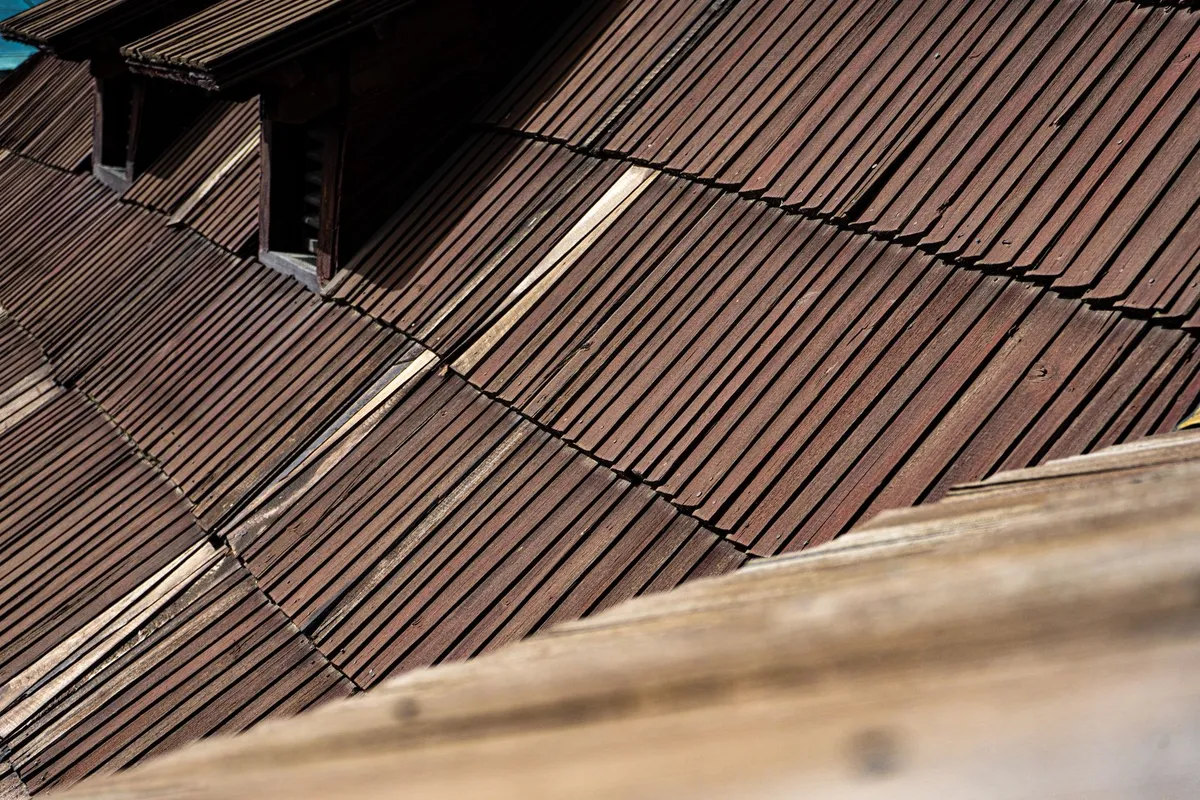
Older Neighborhoods Come With Hidden Roofing Complications
If you own a home in an established St. Louis neighborhood, think Webster Groves, Maplewood, or Claytonthere’s a good chance your home has layers of history baked into its structure, including the roof deck underneath. Older homes sometimes have original decking that’s been covered over multiple times, ventilation systems that don’t meet current standards, or flashing details that were never done correctly in the first place.
When a new roof goes on a home like that, a quality contractor doesn’t just strip the old shingles and nail down new ones. They assess what’s underneath. Rotted decking, inadequate attic ventilation, and improperly installed pipe boots are all issues that get exposed, and addressed, during a proper re-roofing job. Skipping that step is how homeowners end up with a brand-new roof that fails prematurely.
This is one of the reasons material choice matters so much in older neighborhoods. Understanding how different roofing materials perform on different home types can save you from making an expensive mistake. A heavier architectural shingle or a standing seam metal roof might be a significantly better long-term investment on a 1940s bungalow than a standard three-tab shingle, not just aesthetically, but structurally.
What Your Neighbors’ Roofs Are Telling You
Here’s something worth paying attention to: look around your block. If several homes in your immediate area have had their roofs replaced in the last two or three years, that’s not a coincidence. Neighborhoods built in the same era tend to have roofs that reach the end of their lifespan around the same time. If your neighbors are replacing theirs and yours is the same age, you’re likely not far behind.
Homeowners who’ve worked with Lane House often mention that they wish they’d acted sooner, not because they were pressured, but because waiting until there was an obvious problem meant dealing with interior damage on top of the roofing cost. Getting ahead of the issue, rather than reacting to it, is almost always the smarter financial move.
If you’re trying to figure out where you stand, knowing the signs that point toward a full replacement rather than waiting can help you make that call with confidence. Your neighborhood is already giving you clues. The question is whether you’re paying attention to them.
Frequently Asked Questions
How do I know if the trees around my St. Louis home are actually speeding up the wear on my shingles?
If you live in a heavily wooded neighborhood like Kirkwood, look for dark streaking, moss, or algae growth on your shingles, those are signs that moisture is being trapped against the roof surface by overhanging branches and falling debris. Algae and moss break down the shingle surface over time, and that kind of deterioration can shave years off a roof’s lifespan even if the shingles are relatively new. A simple visual inspection from the ground, or a professional assessment, can tell you how much damage has already built up.
My neighborhood got hit by hail last season but my roof looks fine, should I still be worried?
Yes, because hail damage often doesn’t look like much on the surface but still does real harm, it bruises the granule layer and creates small fractures that let water slowly work its way in over the following months. By the time you see a ceiling stain inside your home, that damage has typically been building for a year or more. If your area took a direct hit, it’s worth having someone who knows St. Louis storm patterns take a closer look before you assume everything is fine.
Why does it matter that my home in Webster Groves or Maplewood is older when it comes time to replace the roof?
Older St. Louis homes often have issues hiding underneath the shingles, rotted decking, ventilation that doesn’t meet current standards, or flashing that was never installed correctly to begin with. A contractor who just strips the old shingles and nails down new ones without checking what’s underneath is setting you up for a roof that fails well before it should. Those underlying problems need to be identified and fixed during the job, not discovered later.
Several of my neighbors on the same block just had their roofs done, does that mean mine is due too?
It’s a real signal worth taking seriously, especially if your home was built around the same time as theirs, because roofs in the same neighborhood tend to reach the end of their lifespan at roughly the same point. Homeowners who waited until there was an obvious problem, like interior water damage, ended up dealing with two repair bills instead of one. If your roof is the same age as the ones your neighbors just replaced, getting an assessment now is a smarter move than waiting for a ceiling stain to make the decision for you.
Does it really matter what type of shingle I choose, or is one option pretty much as good as another for a St. Louis home?
It does matter, and the right choice depends a lot on your specific home and neighborhood. On an older bungalow, a heavier architectural shingle or a standing seam metal roof can be a significantly better long-term investment than a standard three-tab shingle, both structurally and in terms of how long it holds up. Homes in open suburban areas with heavy sun exposure also have different needs than homes sitting under a full tree canopy, so the material decision shouldn’t be one-size-fits-all.
Get Directions to Lane House Roofing & Exteriors
🎧 Listen to this as a podcast
Also on Apple Podcasts, Spotify, and Amazon Music.