Storm chasers show up within days of major hail events. Fly-by-night crews materialize in neighborhoods like University City, MO after a bad weather system rolls through, offering fast quotes and even faster disappearing acts once a deposit clears. The scams targeting homeowners who need exterior work are not new, but they have gotten more sophisticated. Knowing what to look for before you sign anything is the single most effective protection you have.
The Deposit Trap and Other Money Warning Signs
A legitimate contractor will ask for a deposit. That is normal. What is not normal is a demand for 50% or more upfront before a single material has been ordered. Reputable crews in the St. Louis, MO market typically ask for 10 to 30 percent to secure the job and cover initial material costs. Anything beyond that, especially in cash, is a serious warning sign.
Watch the payment method too. Contractors who push cash-only arrangements or ask you to make a check out to an individual rather than a business name are cutting paper trails on purpose. Lane House Roofing and Exteriors advises homeowners to always pay by check made out to the registered business entity, and to get a written receipt tied to a specific scope of work. Not a verbal promise. A document.
Unusually low bids deserve scrutiny, not celebration. If three contractors quote a fiber cement siding job at roughly similar numbers and a fourth comes in 40% lower, that fourth contractor is either planning to use inferior materials, skip steps in the installation process, or simply take your money and leave. Cheap bids often mean cheap product. James Hardie lap siding, for example, has a published price range. A contractor claiming to install it at a cost that does not cover materials is lying about something.
Licensing, Insurance, and Why Paperwork Actually Matters
Missouri does not license contractors at the state level the way some states do, which means almost anyone can legally call themselves a roofing or siding contractor. That makes local verification more important, not less. Ask for a certificate of general liability insurance and workers’ compensation coverage. Ask for the policy number. Then call the insurer directly to confirm the policy is active. Contractors who balk at this request or hand you a document that looks homemade are telling you something important about how they operate.
Business registration matters too. A legitimate company has a registered business name, a physical address that is not a P.O. box, and a verifiable track record. Lane House Roofing and Exteriors has seen homeowners in the wider St. Louis area get burned by crews that rented a truck, printed business cards, and vanished after collecting deposits from a dozen households in a single week. A quick Missouri Secretary of State business search takes about three minutes and tells you whether a company actually exists on paper.
References should be recent and local. Ask for three jobs completed in the past two years, and ask specifically for projects similar to yours. A contractor who has done roofing but no exterior cladding work is not the right crew for a full siding installation project, regardless of how confident they sound.
Contract Red Flags That Most Homeowners Miss
A contract that is one page or less is almost always incomplete. A proper exterior project contract should specify the exact materials being used (manufacturer, product line, color, thickness), the start and projected completion date, the payment schedule tied to milestones, who is responsible for pulling permits, and what the warranty covers. If the contract says “siding” with no further detail, that is not a contract. That is a blank check.
The permit question is a real one. Exterior cladding replacement in St. Louis, MO often requires a permit depending on the municipality. Contractors who tell you permits are unnecessary to save time are exposing you to code violations that become your problem at resale. Pull the permit. Always.
Warranty language deserves a close read. Manufacturer warranties on materials like LP SmartSide or James Hardie products are only valid when the product is installed by a contractor who follows the manufacturer’s installation guidelines. A bad install voids the warranty regardless of what the product literature says. That is the failure mode most homeowners never think about until they need to make a claim.
On-Site Behavior That Should Raise Concern
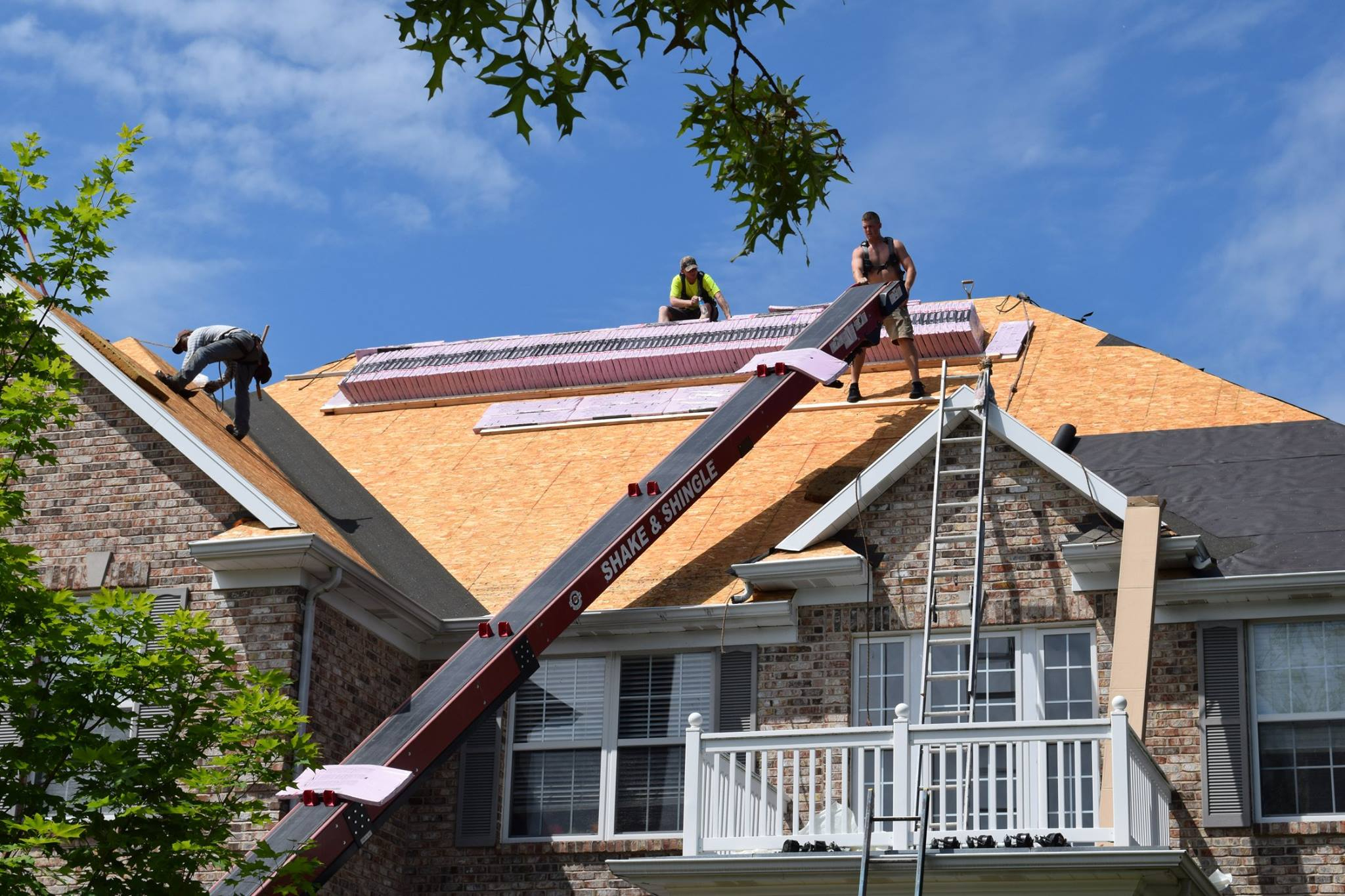
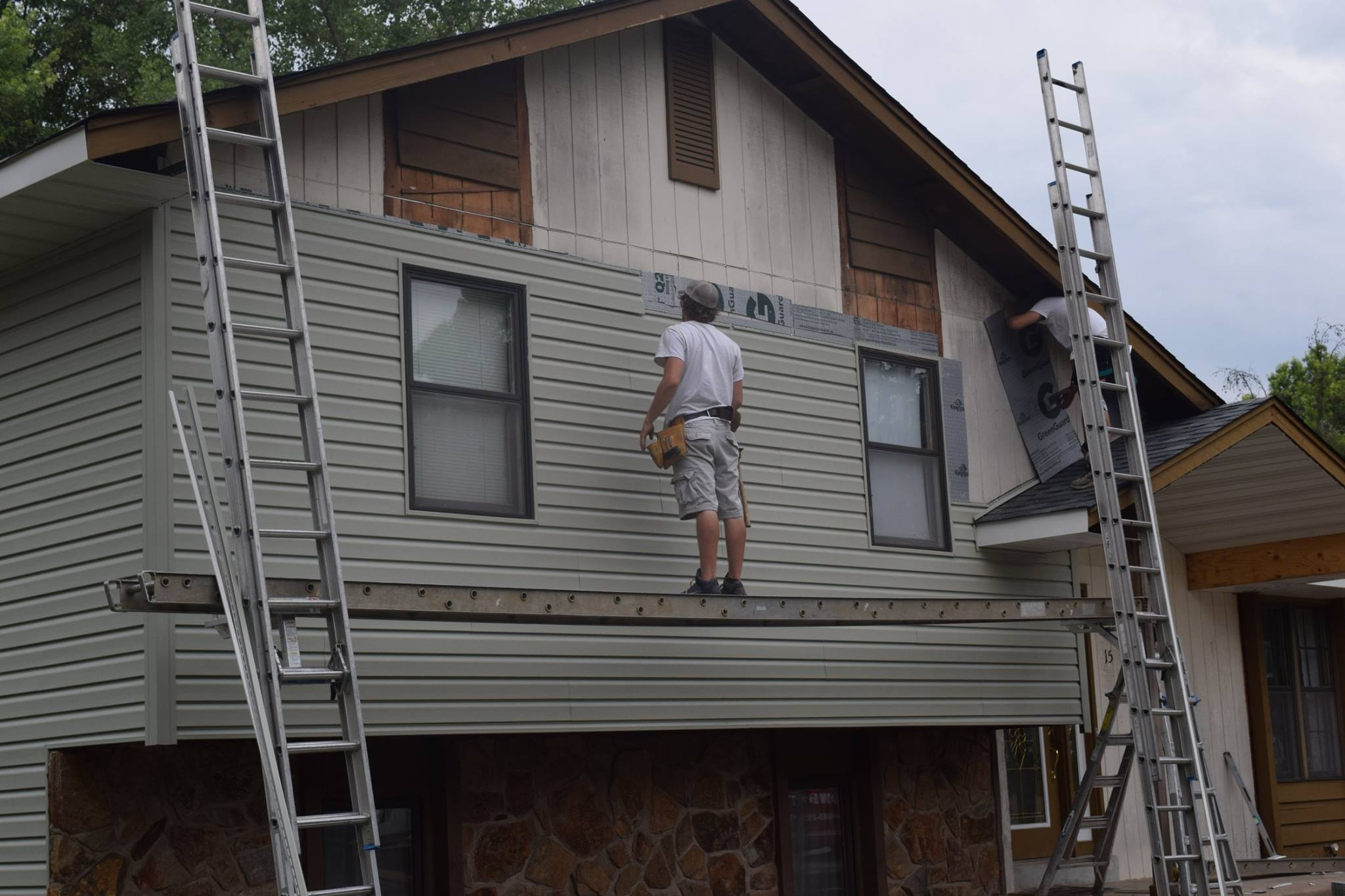
Watch what happens the day work begins. A professional crew shows up with the right equipment, protects landscaping and windows, and has a clear plan for debris removal. Crews that show up with a single pickup truck and no staging materials for a multi-square job are improvising. Improvising on exterior work leads to water intrusion, improper flashing, and gaps in the building envelope that cause real damage over time.
Subcontracting is common and not inherently a problem. But if your contractor cannot tell you who will actually be on your roof or your walls, that is a problem. Lane House Roofing and Exteriors is direct with clients about who is doing the work and what their qualifications are. You are entitled to that information before the job starts, not after something goes wrong. Ask. If the answer is vague, walk away.
You can also review completed projects from any contractor you are seriously considering. Photos of finished work, especially for jobs similar to yours, tell you more than a sales conversation ever will.
Lane House Roofing and Exteriors operates out of 3814 Lemay Ferry Rd, St. Louis, MO 63125, and has built a reputation across the St. Louis area as a straight-talking resource for homeowners who want honest answers before they commit to a contractor. Reach them at (314) 845-2166.
Frequently Asked Questions
What should I look for in a contractor’s payment request?
A legitimate contractor typically asks for a deposit between 10% to 30% to secure the job and cover initial material costs. If a contractor demands 50% or more upfront, especially in cash, that’s a serious warning sign that you should be cautious.
How can I verify a contractor’s legitimacy?
Check for a registered business name, a physical address that isn’t a P.O. box, and a verifiable track record. Request a certificate of general liability insurance and workers’ compensation coverage, then confirm with the insurer that the policy is active.
What details should be included in a contract?
A proper contract should specify the exact materials being used, the start and projected completion dates, the payment schedule tied to milestones, and warranty details. If a contract is one page or less or lacks specifics, it is likely incomplete and should raise concerns.
What behaviors should I watch for when the work begins?
Observe how the crew operates on the first day. A professional team arrives with the right equipment and a clear plan for debris removal, while crews that show up with minimal resources may be improvising, which can lead to improper installation and future issues.
Get Directions to Lane House Roofing & Exteriors
🎧 Listen to this as a podcast
Also on Apple Podcasts, Spotify, and Amazon Music.