
Most homeowners do not think about their gutters until water is pooling against the foundation or paint is peeling off the fascia boards. By that point, the damage has already been building for months, sometimes years. The problem is rarely that people ignored their gutters on purpose. It is that they arrived at the decision to replace them carrying assumptions that were never quite right, and those assumptions quietly cost them money before a single new gutter went up.
The Price You See Is Rarely the Full Picture
The most common starting point is a number someone found online. A homeowner in Sunset Hills, MO calls around expecting to pay a per-linear-foot rate they read on a home improvement site, and then feels blindsided when actual quotes come in higher. What those articles almost never explain is that the quoted price almost never includes the variables that actually drive cost on a real house.
Pitch matters. A steeper roofline means installers are working at a more dangerous angle, which takes more time and requires different equipment. Fascia condition matters. If the wood behind the gutter is rotted or soft, it has to be replaced before new gutters go up, or the whole system will fail within a year. Downspout count and placement matter. A house with a complex roofline and multiple valleys needs more downspouts than a simple ranch, and each one adds to the total. None of these are hidden fees. They are just the real cost of doing the job correctly, and they are invisible until someone actually walks the perimeter of your home.
Seamless aluminum gutters, which are the standard for most residential work, run differently than the sectional gutters sold at big-box stores. Sectional gutters are cheaper upfront and have more joints, which are exactly where leaks develop. Seamless gutters are formed on-site to the exact length of each run, which eliminates most of those failure points. The difference in long-term performance is significant, and it is worth understanding before you make a decision based on the lowest quote alone.
Size Is Not One-Size-Fits-All
A lot of homeowners assume that gutters are gutters. The standard 5-inch K-style gutter works for plenty of homes, but it is not the right choice for every roof. Steeper pitches and larger roof surfaces shed water faster and in greater volume. A 5-inch gutter on a high-pitch roof with a wide drainage area will overflow in a hard rain, which defeats the entire purpose of having gutters at all.
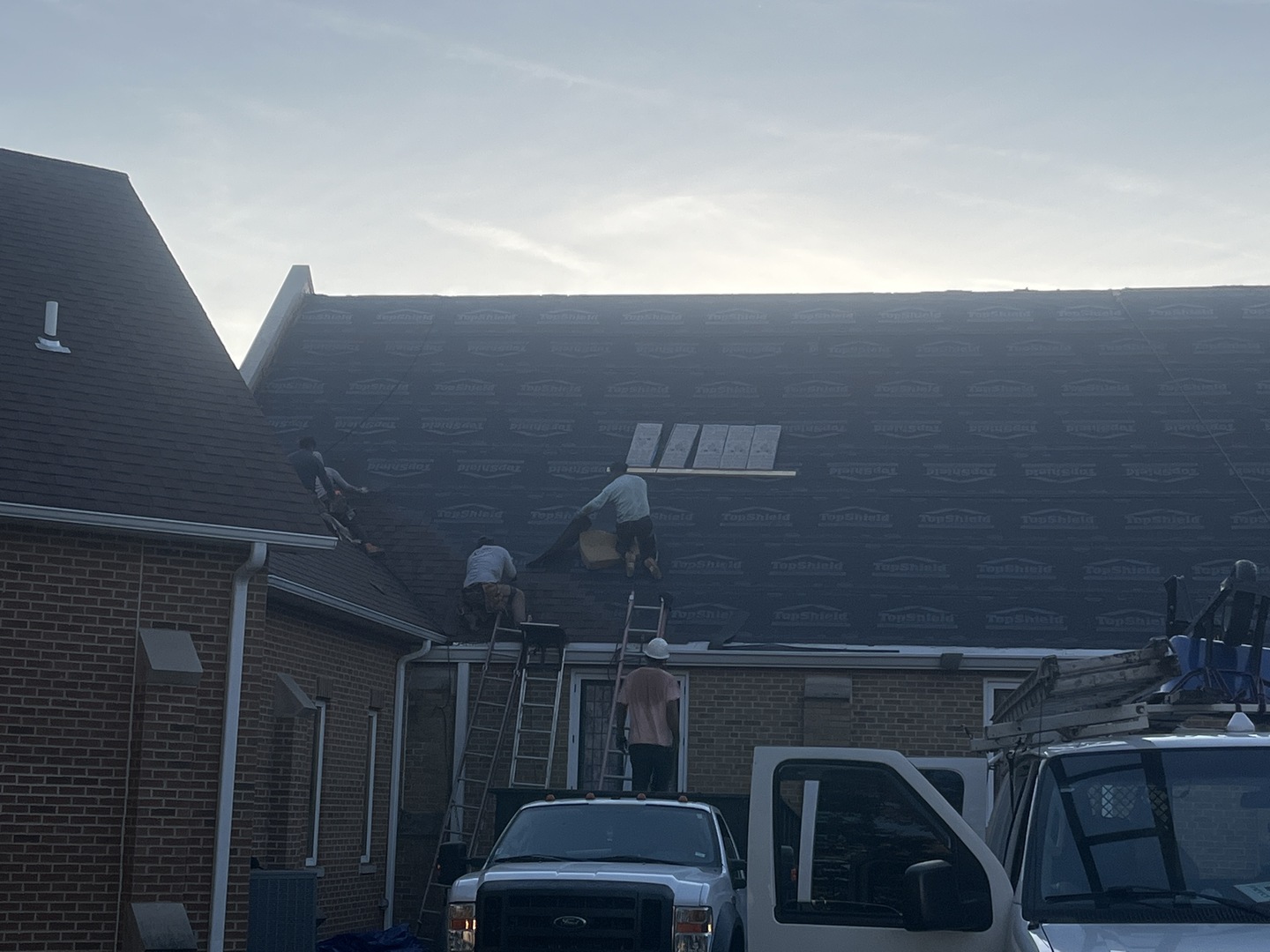
Lane House Roofing & Exteriors has observed that homeowners who replaced gutters themselves or hired the cheapest bidder often end up with undersized systems that overflow regularly. The fix is not cleaning the gutters more often. The fix is installing the right size in the first place. Six-inch gutters handle significantly more water volume and are often the correct call on larger or steeper homes. A contractor who does not measure your roof’s drainage area before recommending a size is skipping a step that matters.
Downspout placement is equally important and equally misunderstood. Too few downspouts, or downspouts placed without accounting for where water naturally concentrates on your roof, and the system backs up. Water that backs up long enough will work its way under the roofline, which creates problems that go well beyond the gutters themselves. You can see examples of how this plays out across different home styles in the completed projects gallery.
Hangers, Pitch, and the Details That Determine Whether the System Works
Installation quality is where the gap between a good job and a poor one becomes most obvious over time. Gutters have to be pitched correctly toward the downspouts, usually about a quarter inch of drop for every ten feet of run. Too little pitch and water sits in the gutter, which accelerates corrosion and creates a breeding environment for mosquitoes. Too much pitch and the gutter looks visibly crooked and may not catch water coming off a steep roof cleanly.
Hanger spacing is another detail that separates durable work from work that sags and separates within a few years. Hangers placed too far apart allow the gutter to flex under the weight of standing water or debris. In the St. Louis, MO area, where heavy rain events are common, that flex adds up. Hidden hanger systems, which attach through the front of the gutter and into the fascia, hold better than spike-and-ferrule systems and are the current standard for quality installs.
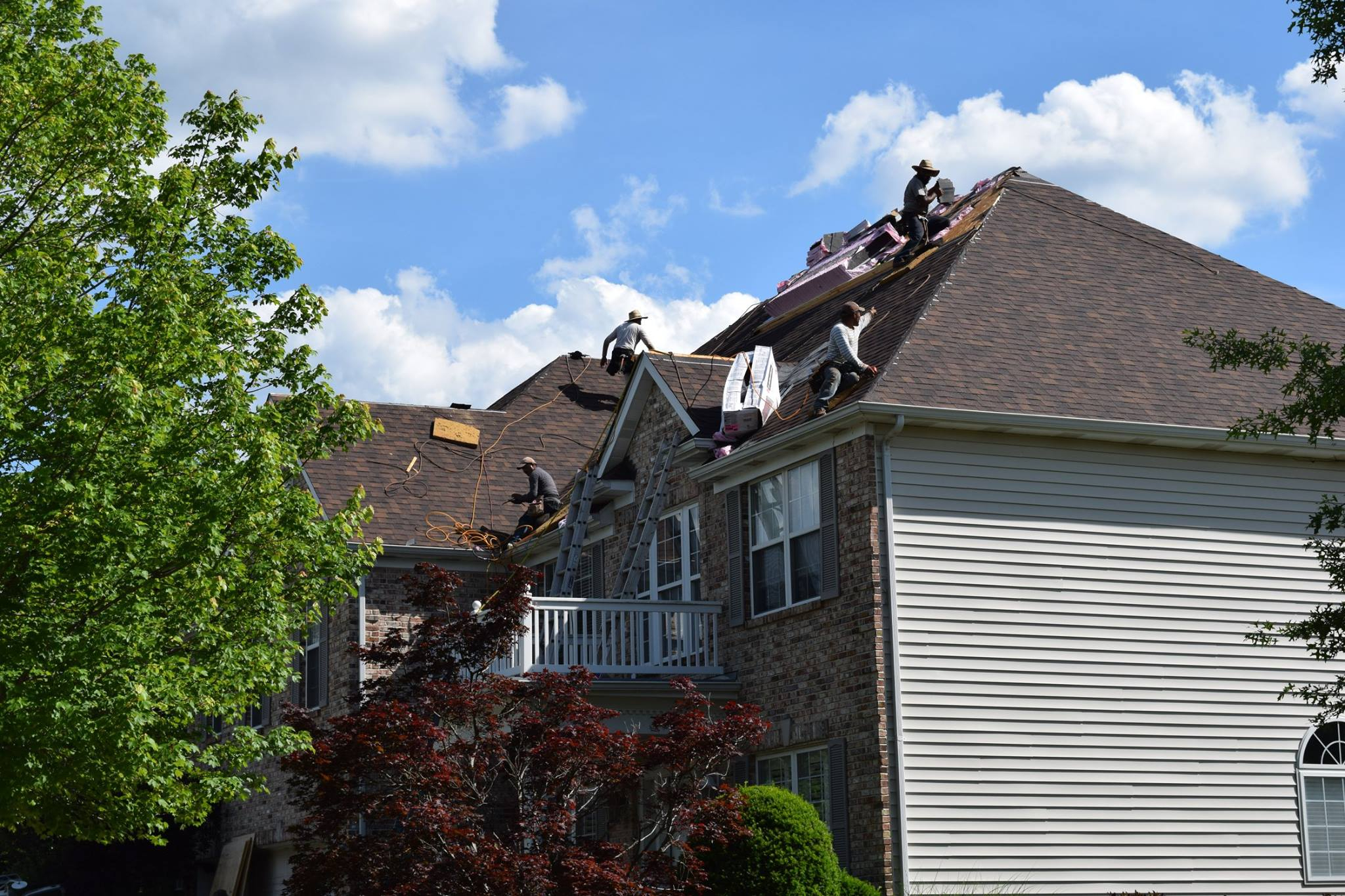
For homeowners also considering the broader exterior picture, gutter replacement often pairs naturally with fascia board work or a full roof replacement, since the roofline and drainage system function as a connected system rather than independent parts.
What to Actually Ask Before You Commit
Before signing anything, ask the contractor how they determine gutter size, what hanger system they use, and whether fascia inspection is included in the scope of work. Ask whether they fabricate seamless gutters on-site or bring pre-cut sections. Ask how they handle downspout placement and what their policy is if rotted fascia is discovered during installation. A contractor who can answer these questions without hesitation is one who has done this work enough times to have thought through the details. One who deflects or gives vague answers is worth reconsidering.
Lane House Roofing & Exteriors serves homeowners across Sunset Hills, MO and the broader St. Louis area, and the team is straightforward about what a job actually involves before any work begins. If you have questions or want a clear picture of what your home needs, they are a reliable local resource. Lane House Roofing & Exteriors is located at 3814 Lemay Ferry Rd, St. Louis, MO 63125, and can be reached at (314) 845-2166.
Frequently Asked Questions
What factors can increase the cost of replacing my gutters?
The cost can rise due to several factors including the pitch of your roof, the condition of the fascia, and the number and placement of downspouts needed. A steeper roofline requires more specialized equipment and time, while rotted fascia must be replaced to ensure the system functions properly.
How do I know what size gutters I need for my home?
The correct size depends on the drainage area of your roof. If your home has a steep pitch or a larger surface area, it may require six-inch gutters instead of the standard five-inch to handle the increased water volume during heavy rains.
What should I ask my contractor before starting the project?
Before committing, ask how they determine gutter size, what type of hanger system they use, and if they inspect the fascia. Additionally, inquire about their approach to downspout placement and what happens if they find rotted fascia during installation.
What common mistakes should I avoid when replacing my gutters?
A common mistake is choosing the cheapest option without considering long-term performance. This can lead to undersized systems that overflow, or using sectional gutters that have more joints prone to leaks, rather than opting for a proper seamless setup that minimizes failure points.
Get Directions to Lane House Roofing & Exteriors
🎧 Listen to this as a podcast
Also on Apple Podcasts, Spotify, and Amazon Music.