
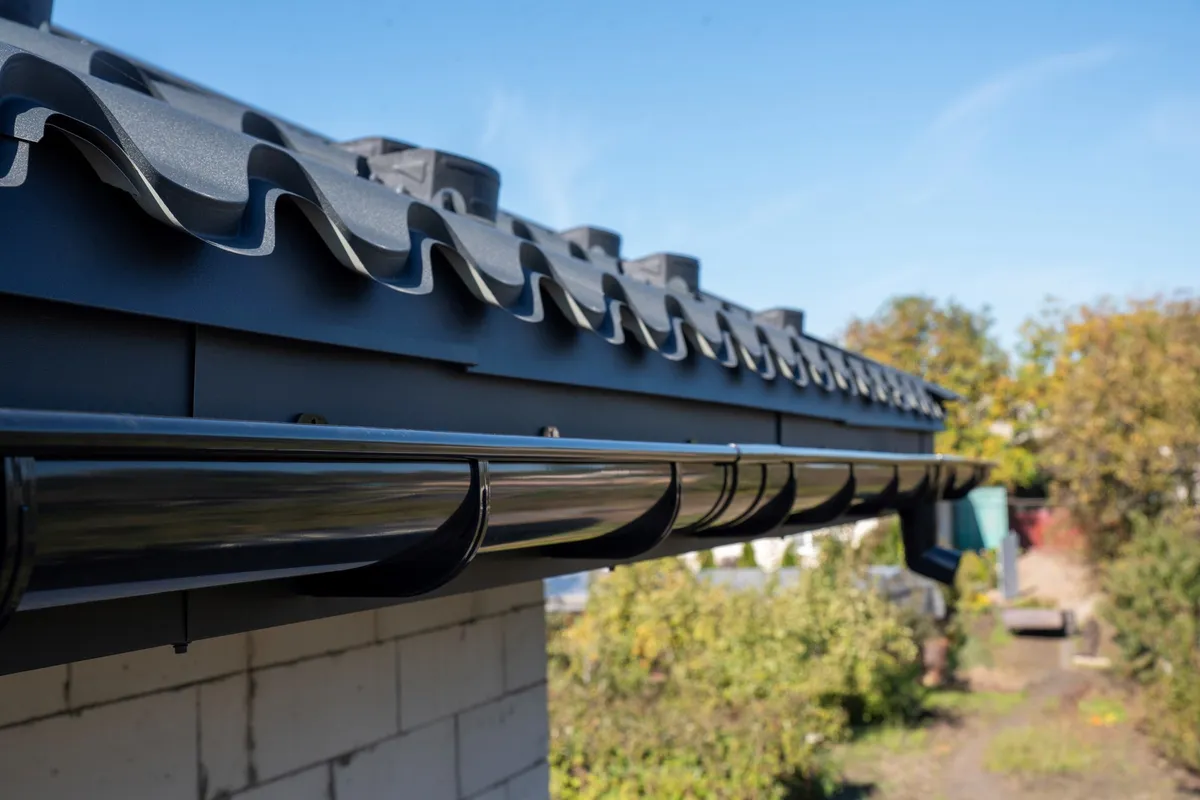
Most homeowners don’t think much about their gutters until something goes wrong, and by then, the damage is already done. Proper gutter installation in St. Louis, MO is one of those investments that works quietly in the background, protecting your home from the kind of water damage that can cost tens of thousands of dollars to fix. The problem is, too many people either put it off, go with the cheapest option available, or don’t replace aging systems until the foundation is already compromised. This article breaks down what that decision actually costs you, financially and structurally.
Water Goes Somewhere, And You Won’t Like Where
St. Louis gets around 42 inches of rain per year. That’s not a trivial amount of water hitting your roof and running off in every direction. Without a properly functioning drainage system, that water doesn’t just disappear. It pools along your foundation, seeps into your basement, saturates your landscaping, and erodes the soil that keeps your home structurally stable.
Foundation repair is one of the most expensive home repairs a homeowner can face, easily running between $5,000 and $15,000 or more depending on severity. Basement waterproofing isn’t cheap either. And here’s the frustrating part: a large percentage of these problems are directly tied to poor water management at the roofline. A well-installed drainage system, properly pitched and sized for your home’s square footage, would have redirected that water away from the structure entirely.
The math isn’t complicated. A quality gutter system costs a fraction of what foundation or basement remediation costs. Skipping it, or limping along with a failing system, is a false economy that catches up with homeowners eventually.
The St. Louis Climate Doesn’t Give You Much Grace
This region isn’t gentle on homes. Between spring thunderstorms, summer heat, and the freeze-thaw cycles that hit every winter, your exterior takes a beating year-round. Ice dams are a real concern here, when gutters are clogged, damaged, or improperly installed, water backs up under shingles during freezing temperatures and causes damage that works its way into your attic and ceiling.
That kind of water intrusion doesn’t announce itself loudly. It shows up slowly, a stain on the ceiling, a musty smell in the attic, paint bubbling on an interior wall. By the time most homeowners notice, the damage has been accumulating for months. And because it often looks like a roofing problem on the surface, people sometimes pursue a full roof replacement when the actual culprit was a drainage system that was never doing its job properly.
Getting the full picture of your home’s exterior, gutters, roof, and all, matters more in a climate like St. Louis than it would somewhere with milder weather patterns.
Cheap Installation Creates Expensive Problems
Not all gutter work is created equal. This is where a lot of homeowners get burned. They hire whoever gives them the lowest quote, the system gets installed with improper pitch or inadequate hangers, and within a season or two the gutters are sagging, pulling away from the fascia, or holding standing water instead of draining it.
Fascia damage is a sneaky consequence of this. When gutters overflow or pull away from the board they’re attached to, that wood begins to rot. Rotted fascia means the entire drainage system loses its anchor point, and now you’re paying to replace both the gutters and the fascia boards underneath them. What started as a budget installation turns into a significantly larger project.
Material choice matters here too, just as it does with any exterior component. Aluminum gutters are the most common option and handle St. Louis weather well when properly installed. Seamless systems, cut on-site to fit your home’s exact dimensions, eliminate the joints where leaks most commonly develop. The difference in performance between a seamless aluminum system and a pieced-together sectional setup is significant over time. If you want to understand how material decisions affect long-term value on exterior projects, the same logic applies whether you’re looking at gutters or choosing materials for a roofing project.
Customers who’ve worked with Lane House Roofing and Exteriors consistently point to the same thing: the attention to detail during installation made a visible difference in how the system performed after the first hard rain. That kind of craftsmanship doesn’t come from whoever shows up with the lowest number on a piece of paper.
When to Stop Patching and Start Fresh
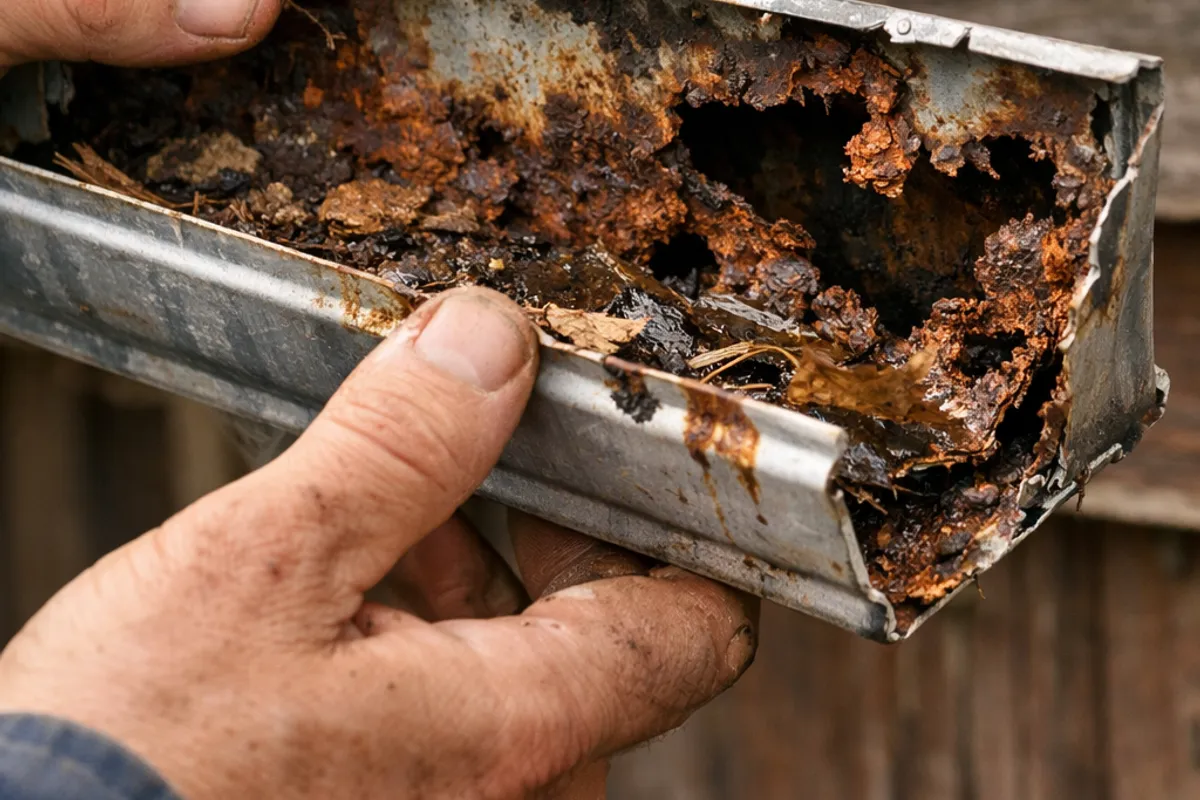
There’s a point where maintaining an old system stops making sense. Gutters that are more than 20 years old, heavily rusted, visibly pulling away from the fascia, or consistently overflowing despite being cleaned are telling you something. Pouring money into repeated service calls on a failing system is throwing good money after bad.
A full gutter replacement on a typical St. Louis home is a manageable investment, especially when you consider what it protects. New seamless gutters, properly sized downspouts, and correctly positioned extensions can transform how water moves away from your home. It’s not a glamorous upgrade, but it’s one of the most functionally important ones you can make.
Lane House Roofing and Exteriors works with homeowners across the St. Louis area on exactly these kinds of projects, assessing what’s failing, recommending the right system for the home’s specific layout, and installing it correctly the first time. If your current system is giving you trouble, the cost of waiting is almost always higher than the cost of acting now.
Ready to get a real look at what your home needs? Request a free estimate and find out where you stand before the next storm season arrives.
Frequently Asked Questions
How much rain does St. Louis actually get, and why does that matter for my home’s drainage system?
St. Louis averages around 42 inches of rain per year, which is a significant amount of water hitting your roof and running off in every direction with each storm. Without a properly pitched and sized drainage system, that water ends up pooling along your foundation, saturating your landscaping, and eroding the soil that keeps your home structurally stable. Over time, that repeated exposure is what drives the kind of foundation damage that costs between $5,000 and $15,000 or more to repair.
What are ice dams, and is that really something St. Louis homeowners need to worry about?
Ice dams happen when water backs up under your shingles during freezing temperatures, usually because gutters are clogged, damaged, or improperly installed, and that trapped water causes damage that works its way into your attic and ceiling. St. Louis winters include freeze-thaw cycles that make this a real concern here, not just something that happens in colder northern climates. The tricky part is that the damage shows up slowly as ceiling stains, musty attic smells, or bubbling interior paint, often months after the problem started.
What goes wrong when a contractor installs gutters with improper pitch or not enough hangers?
When gutters aren’t pitched correctly or aren’t secured with adequate hangers, they start sagging and holding standing water instead of draining it, usually within a season or two. That standing water and the weight of it causes the gutters to pull away from the fascia boards they’re attached to, and once that wood gets wet and starts to rot, you’re now replacing both the gutters and the fascia underneath them. What looked like a budget installation upfront turns into a significantly larger and more expensive project.
What’s the difference between sectional gutters and a system cut on-site to fit my home?
Sectional gutters are pieced together in segments, and every joint where two sections meet is a potential point where leaks develop over time. A system cut on-site, sometimes called a seamless system, is made to fit your home’s exact dimensions, which eliminates most of those joints entirely. The performance difference between the two becomes obvious after the first few years, especially in a climate that puts exterior materials through as much stress as St. Louis does.
How do I know when it’s time to replace my gutters instead of just patching or cleaning them again?
If your gutters are more than 20 years old, visibly rusting, pulling away from the fascia, or consistently overflowing even right after a cleaning, they’re telling you the system is done. Paying for repeated service calls on a failing system costs more over time than replacing it outright, and the longer you wait, the more likely you are to deal with fascia rot or foundation issues on top of the gutter problem. A full replacement on a typical St. Louis home is a manageable investment compared to what those downstream repairs cost.