If you’ve been putting off a siding replacement in St. Louis, MOyou’re probably not alone, most homeowners wait until the damage is impossible to ignore. Warped panels, faded color, moisture creeping behind the walls. By then, what could have been a straightforward project has turned into something more complicated. The good news is that getting ahead of it, or even catching it at the right time, makes the whole process smoother and the outcome a lot better for your home’s value and comfort.
Your Old Siding Is Doing More Damage Than You Think
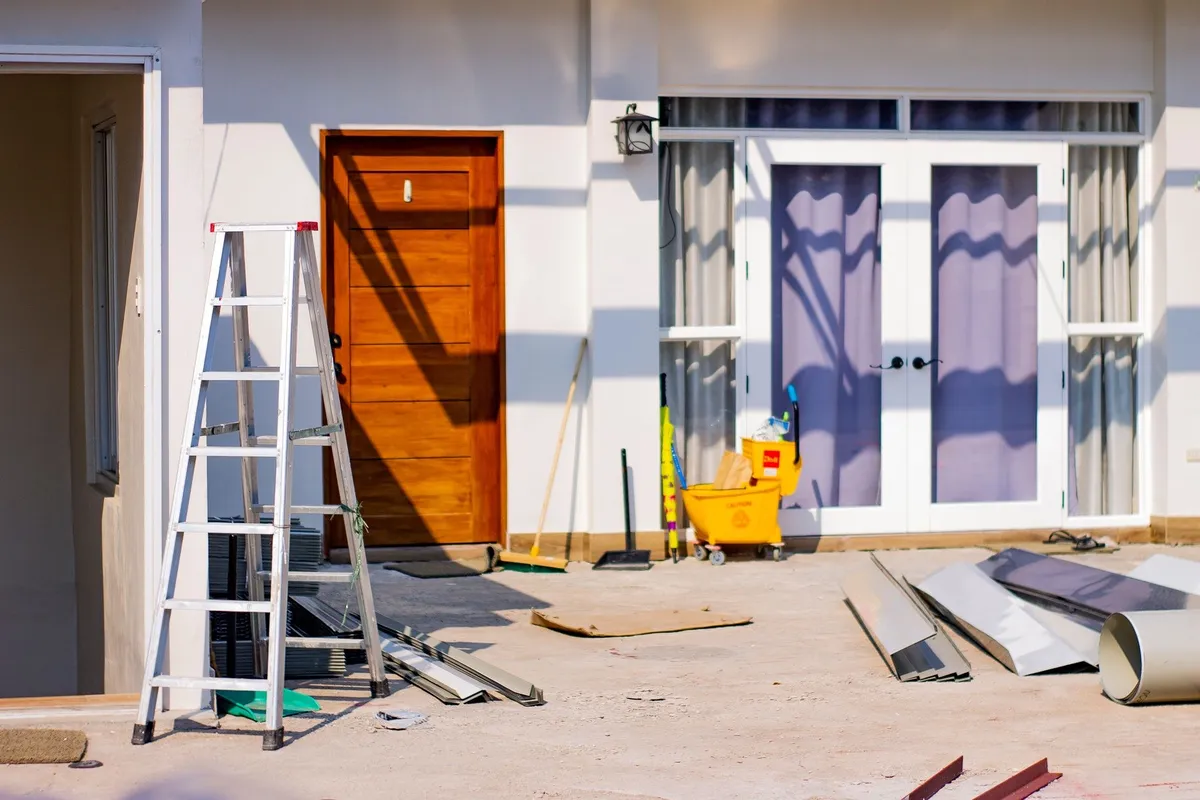
Here’s something most people don’t realize: deteriorating exterior cladding isn’t just a cosmetic problem. When panels crack, warp, or pull away from the wall, they create gaps where moisture gets in. That moisture doesn’t stay on the surface, it works its way into the sheathing, the insulation, and eventually the framing. What starts as peeling paint or a few soft spots can quietly become a mold issue or structural rot that costs significantly more to address than the new siding would have.
St. Louis weather doesn’t help. The freeze-thaw cycles through winter, the summer humidity, and the occasional severe storm all put real stress on exterior materials year after year. A home that’s 15 to 20 years old with original siding has likely been through hundreds of those cycles. At some point, the material simply can’t recover the way it used to.
The signs to watch for include bubbling or blistering on the surface, seams that are pulling apart, panels that feel soft when you press them, and interior paint or drywall that’s showing moisture staining near exterior walls. Any one of those is worth a closer look. Two or more together usually means it’s time to act.
Choosing the Right Material Makes All the Difference
Not every siding material is built for the same climate, budget, or aesthetic. In the St. Louis area, the most common choices are vinyl, fiber cement, and engineered wood, and each one has real trade-offs worth understanding before you commit.
Vinyl is the most budget-friendly option and holds up reasonably well in moderate conditions. It won’t rot or need painting, but it can crack in extreme cold and tends to look like what it is. Premium vinyl products have improved a lot, but the entry-level stuff can look dated quickly.
Fiber cementbrands like James Hardie are the most recognized, is a step up in durability and appearance. It resists fire, moisture, and insects, and it takes paint well, which means you have a lot of flexibility with color over time. It’s heavier and costs more to install, but it tends to last significantly longer and holds its look better through tough weather.
Engineered wood sits somewhere in between. It mimics the look of real wood without the same maintenance demands, and it performs well in climates like ours. It’s a solid middle-ground option for homeowners who want a more natural aesthetic without the upkeep of traditional wood.
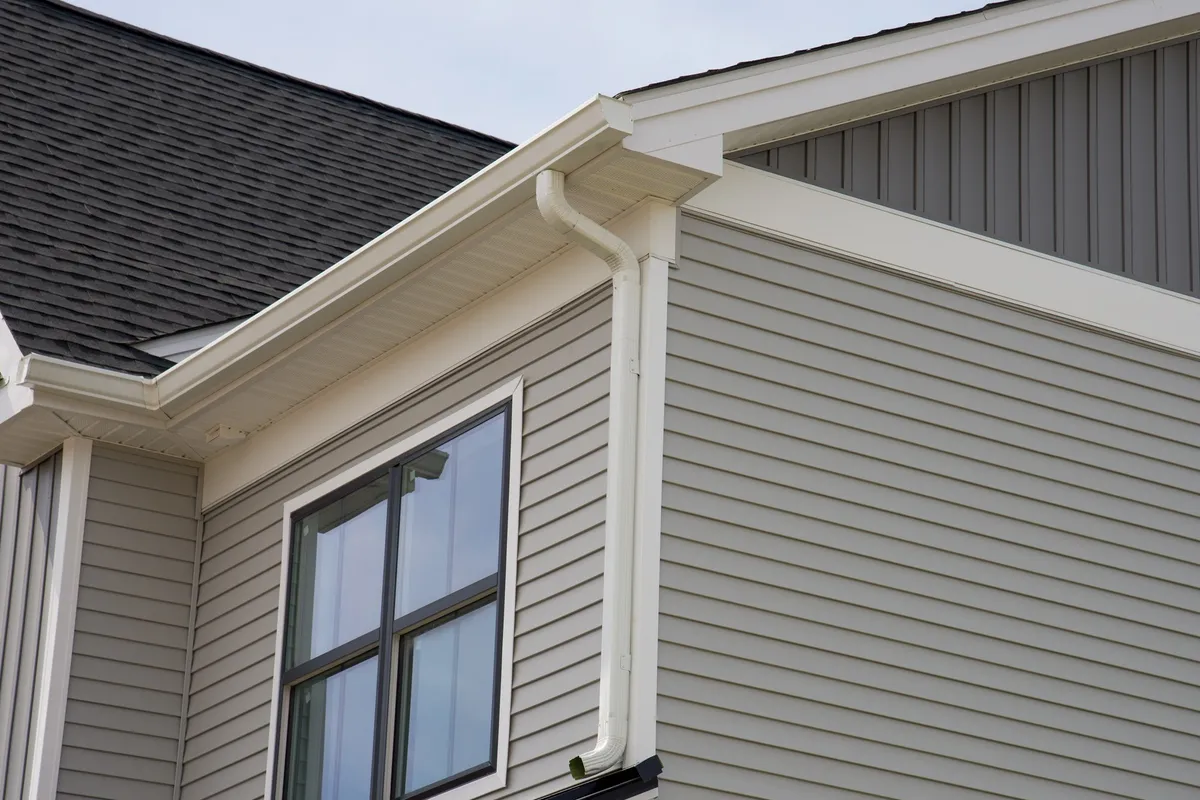
If you’re also thinking about other exterior upgrades at the same time, it’s worth considering how your siding choice coordinates with your window replacements or gutter systemdoing multiple projects together often saves on labor and gives you a more cohesive finished look.
What the Installation Process Actually Looks Like
One of the biggest sources of anxiety for homeowners is not knowing what to expect once the project starts. The process is more straightforward than most people assume, but the details matter.
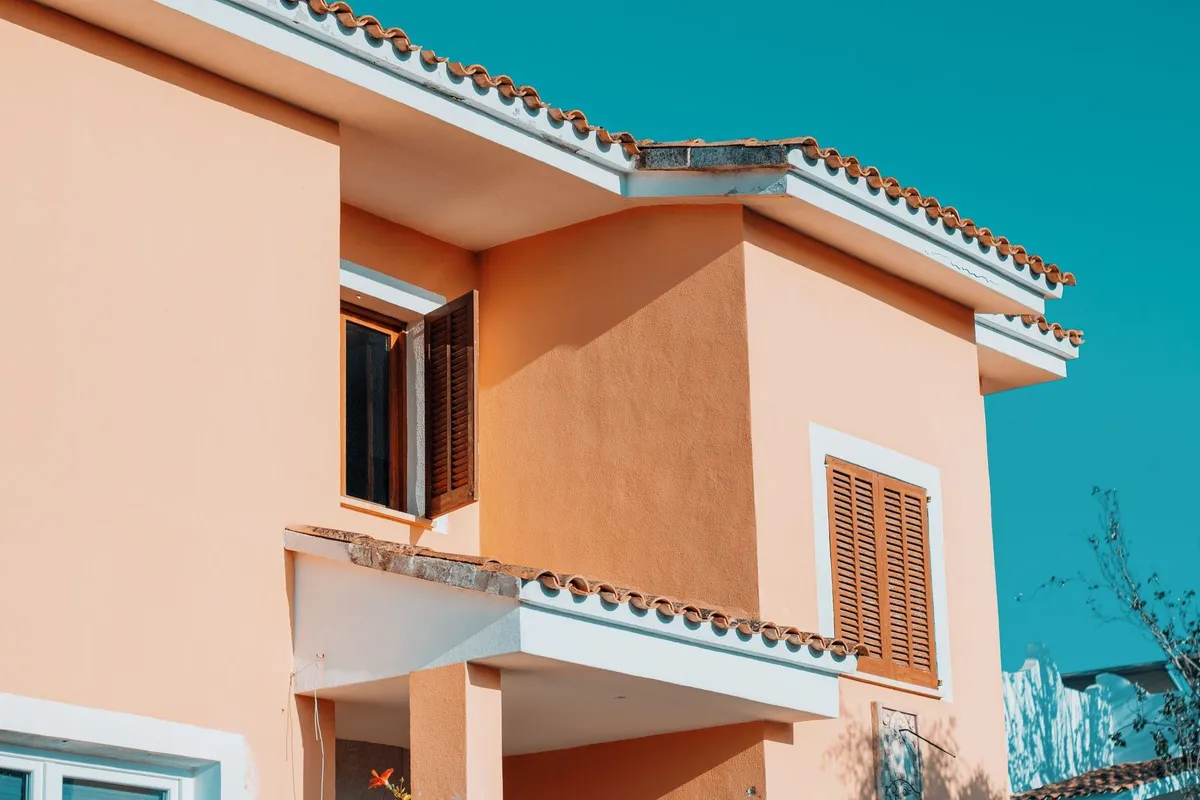
A reputable contractor will start by removing the existing material and inspecting what’s underneath. This is where hidden moisture damage, rot, or inadequate house wrap gets discovered, and addressed before new panels go up. Skipping this step, or rushing through it, is one of the most common ways that a siding job fails prematurely. If a contractor is quoting you a price that seems unusually low, there’s a good chance they’re planning to install over existing material without a proper inspection. That’s a shortcut that costs you later.
Once the substrate is confirmed to be sound, new house wrap or moisture barrier goes on, followed by the panels themselves. Trim work around windows, doors, corners, and rooflines is where craftsmanship really shows. Sloppy trim work is the first thing people notice, and the first place water finds its way in.
The team at Lane House Roofing and Exteriors handles the full scope of exterior work for St. Louis homeowners, and customers consistently mention the attention to detail and clear communication throughout the process. That kind of transparency, knowing what’s happening and why, makes a significant difference when you’re making a major investment in your home.
Timing Your Project Right Can Save You Money
There’s no universally perfect time of year for new siding, but there are smarter windows than others. Spring and early fall tend to be the busiest seasons for exterior contractors in the St. Louis area, which means longer lead times and sometimes tighter scheduling. Late fall and winter, on the other hand, often come with more contractor availability and occasionally better pricing, though extreme cold can affect certain installation methods, so it’s worth discussing specifics with your contractor.
If your home has taken storm damage recently, timing becomes even more relevant. Insurance claims have deadlines, and waiting too long to document and address the damage can complicate coverage. The same principle that applies to storm-related roof work holds true for siding, the sooner you get a professional assessment, the better your options.
The bottom line is this: new siding is one of the highest-return exterior investments a homeowner can make, both in terms of curb appeal and long-term protection. Going in with a clear understanding of materials, process, and timing puts you in a much stronger position to get the result your home actually deserves. If you’re ready to take the next step, request a free estimate and get a clear picture of what your project will involve.
Frequently Asked Questions
How do I know if the damage underneath my old siding will add a lot to the project cost?
A reputable contractor will remove the existing material first and inspect what’s underneath before any new panels go up, that’s when hidden rot, moisture damage, or missing house wrap gets found and priced out. If a quote seems unusually low, there’s a good chance the contractor plans to skip that inspection and install over the old material, which tends to cause bigger problems down the road. Getting that substrate check done properly upfront is what separates a job that lasts from one that fails early.
Is fiber cement actually worth the extra cost compared to vinyl for a St. Louis home?
Fiber cement holds up better through St. Louis’s freeze-thaw winters and humid summers, resists fire, moisture, and insects, and takes paint well so you can change the color over time without replacing the material. Vinyl costs less upfront and won’t rot, but it can crack in extreme cold and the lower-end products tend to look dated quickly. If you’re planning to stay in the home long-term, fiber cement’s longer lifespan and appearance tend to justify the higher installation cost.
What are the warning signs that I’ve already waited too long to replace my exterior panels?
The article points to a few specific ones worth checking: bubbling or blistering on the surface, seams pulling apart, panels that feel soft when you press on them, and moisture staining on interior paint or drywall near exterior walls. Any single one of those is worth having looked at; two or more together usually means the damage is already working its way into the sheathing, insulation, or framing. At that point you’re not just dealing with the siding itself, you may be looking at mold or structural rot that costs more to fix than the new exterior would have.
Does it make sense to wait until spring, or is there a real advantage to scheduling in late fall or winter?
Spring and early fall are the busiest seasons for exterior contractors in St. Louis, which means longer lead times and tighter scheduling windows. Late fall and winter often come with more contractor availability and sometimes better pricing, though extreme cold can affect certain installation methods, so it’s worth talking through the specifics with whoever you hire. The one exception is storm damage, if your home took a hit recently, waiting for a better season can complicate your insurance claim, so it’s better to get an assessment done quickly.
Can I save money by combining this project with window replacements or gutter work at the same time?
The article specifically notes that doing multiple exterior projects together often saves on labor costs and gives you a more consistent finished look across the whole exterior. It’s also practical from a scheduling standpoint, having one crew handle the scope means fewer separate mobilizations and less disruption to your home over time. If you’re already pulling the trigger on new exterior panels, it’s worth asking your contractor what else makes sense to address in the same visit.
Get Directions to Lane House Roofing & Exteriors
🎧 Listen to this as a podcast
Also on Apple Podcasts, Spotify, and Amazon Music.