
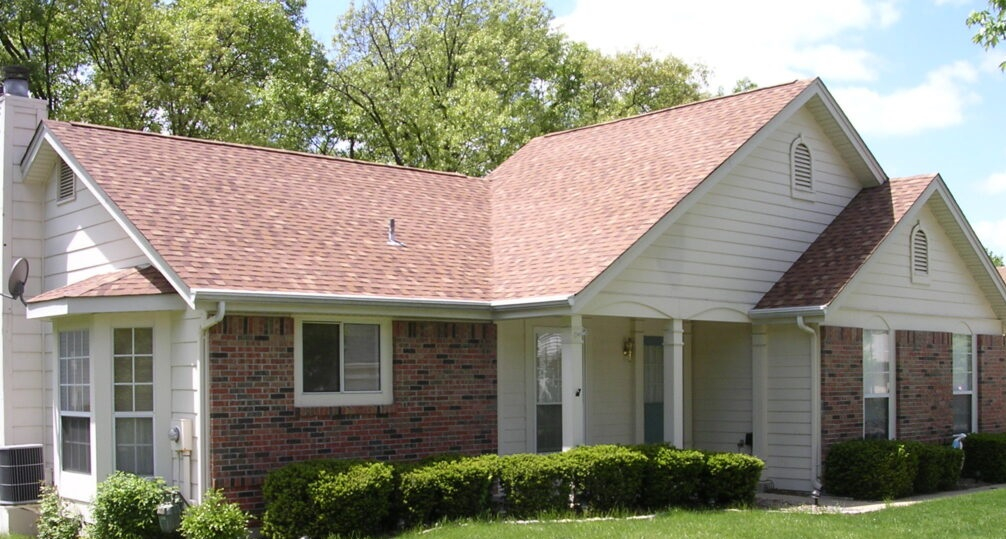
Most homeowners only deal with a new roof once or twice in a lifetime, which means the mental picture they carry into the process is usually ten or fifteen years out of date. They expect it to work like it did for their neighbor back in the day: a crew shows up, tears off the old shingles, nails down new ones, and leaves by Friday. What actually happens in 2026 is considerably more involved, more technical, and more protective of the homeowner than that old picture suggests. Getting it wrong, or hiring someone who cuts corners on the new standards, is an expensive mistake that compounds over decades.
The Price Shock Is Real, and Here Is Why
The number that stops most conversations is the estimate. A full residential roof replacement in the Maryland Heights MO and greater St. Louis area typically runs between $9,000 and $20,000 depending on square footage, pitch, and material. That range surprises people who remember a family member paying far less a decade ago.
Several things have genuinely changed. Material costs have climbed steadily, and the better shingle products, the ones with Class 4 impact resistance ratings, cost meaningfully more than builder-grade three-tab shingles. Labor costs have risen because skilled crews are in shorter supply. Perhaps most significantly, code requirements and manufacturer warranty conditions now demand a more thorough installation process than what was standard even five years ago. Skipping steps to save money does not just void a warranty; it can void your insurance claim after a hail event.
The right way to read an estimate is to look at what it includes below the surface. Is a synthetic underlayment specified, or the old felt paper? Is ice-and-water shield called out for the eaves and valleys? Are the ridge vents being replaced, or just the shingles? Those line items are where low bids quietly disappear.
What Goes Under the Shingles Matters More Than the Shingles
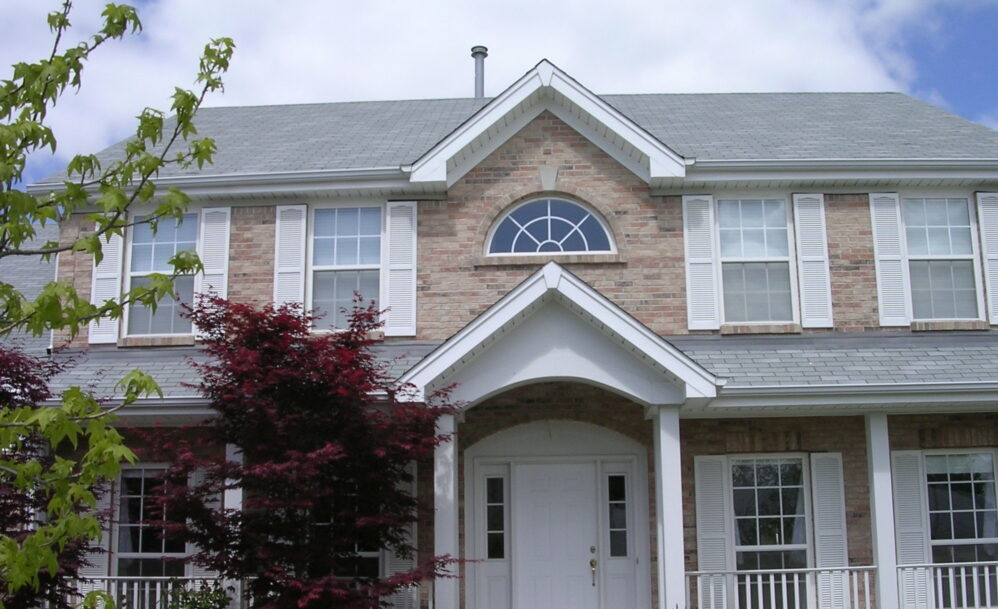
This is the single biggest misconception Lane House Roofing & Exteriors sees from homeowners who have done their own research. People spend hours comparing shingle colors and brand ratings, which is reasonable, but the system underneath determines how long any shingle performs. A premium architectural shingle installed over rotted decking, inadequate ventilation, or the wrong underlayment will fail years ahead of schedule regardless of its rated lifespan.
Decking inspection is now a standard part of a professional installation, not an optional add-on. When crews pull the old material, every sheet of OSB or plywood gets checked. Soft spots, delamination, and areas with water intrusion history get replaced before anything goes back on. In older St. Louis neighborhoods where homes have been re-roofed multiple times, it is common to find decking issues that the previous contractor simply covered over.
Ventilation is the other piece most homeowners never think about. An attic that runs too hot in summer shortens shingle life measurably and can cause ice damming in cold months. Proper intake at the soffits and exhaust at the ridge is not just a comfort issue; it is a warranty issue with most major shingle manufacturers.
The Warranty Conversation Nobody Has Until It Is Too Late
Shingle manufacturers offer long warranties, sometimes 30 to 50 years, and those numbers do real work in marketing. What they do not advertise prominently is that most of those warranties are conditional on certified installation by a qualified contractor, proper ventilation, and specific underlayment products. A homeowner who hires an unlicensed crew to save two thousand dollars may end up with a roof that carries no meaningful warranty coverage at all.
Beyond the manufacturer warranty, there is the workmanship warranty offered by the contractor. Lane House Roofing & Exteriors recommends asking any contractor directly: how long do you warranty your labor, and what does that cover? A crew that disappears after the job offers you nothing if a flashing fails two years later. Flashing, the metal that seals around chimneys, skylights, and roof-to-wall transitions, is where most installation failures actually originate. It requires skill and attention that low-bid contractors routinely shortchange.
Roof installation has become a more documented process than it used to be. Photos of decking, underlayment, and flashing details are now standard practice for contractors who stand behind their work. If a contractor cannot show you project documentation, that tells you something important about how they operate. You can see examples of documented work at Lane House’s completed projects page.
Choosing a Contractor in a Crowded Market
After any significant storm moves through the St. Louis area, the number of roofing contractors operating locally multiplies fast. Storm chasers, crews that follow hail events from state to state, are a real phenomenon, and homeowners near Maryland Heights Expressway and Lindbergh Boulevard see them canvassing neighborhoods the same week damage occurs. Some do acceptable work. Many do not, and they are gone before any warranty claim can be made.
A local contractor with an established address, verifiable references, and a track record in the area is a different proposition. Asking for proof of insurance, a Missouri contractor license, and at least three local references from jobs completed in the past two years is a reasonable baseline. If you are comparing multiple bids, make sure they are scoped identically before comparing numbers. A bid that looks lower may simply be omitting items the others include.
For homeowners in communities like Arnold MO or elsewhere in the metro area, the same standards apply. The roof over your head is not the place to optimize for the lowest number on a page.
Lane House Roofing & Exteriors has served homeowners throughout St. Louis, MO and the surrounding area with straightforward, code-compliant work and no shortcuts on the steps that matter. If you have questions about what a proper installation actually involves, or want an honest assessment of what your home needs, reach out directly. Lane House Roofing & Exteriors, 3814 Lemay Ferry Rd St. Louis, MO 63125, (314) 845-2166.
Frequently Asked Questions
What should I expect during a roof replacement process?
The process involves a thorough inspection of the decking and ventilation before installation. Crews check for issues like soft spots and replace any damaged decking, ensuring a solid foundation for the new materials.
How much does it typically cost to replace a roof?
A full residential roof replacement in the Maryland Heights MO and greater St. Louis area generally ranges from $9,000 to $20,000. The final cost depends on factors such as square footage, pitch, material choice, and the complexity of the installation.
What should I look for in a roofing contractor?
When choosing a contractor, verify their local presence, insurance, and Missouri contractor license. It’s also essential to ask for at least three local references from jobs completed in the past two years to ensure they have a reliable track record.
What common mistakes do homeowners make when choosing roofing materials?
Homeowners often focus too much on shingle colors and brands without considering the underlying system. Using premium shingles over inadequate decking or poor ventilation can lead to premature failure, negating the benefits of the higher-quality materials.
Get Directions to Lane House Roofing & Exteriors
🎧 Listen to this as a podcast
Also on Apple Podcasts, Spotify, and Amazon Music.