
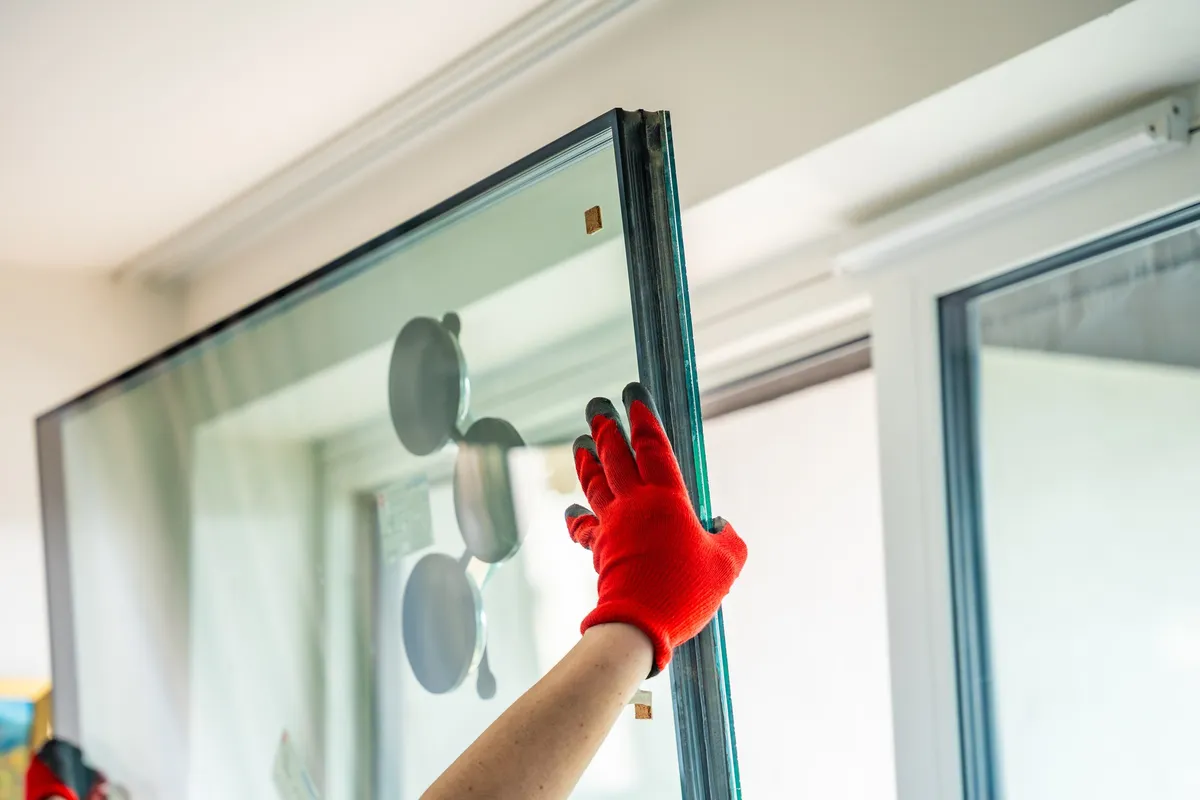
Most homeowners don’t think much about their windows until something goes wrong, a draft they can’t shake, a utility bill that keeps climbing, or a frame that’s started to rot. But window installation in St. Louis, MO is one of those home upgrades that pays you back in ways you don’t fully appreciate until after it’s done. New windows aren’t just about looks. They’re about comfort, energy costs, and protecting the rest of your home from moisture damage that starts quietly and spreads fast.
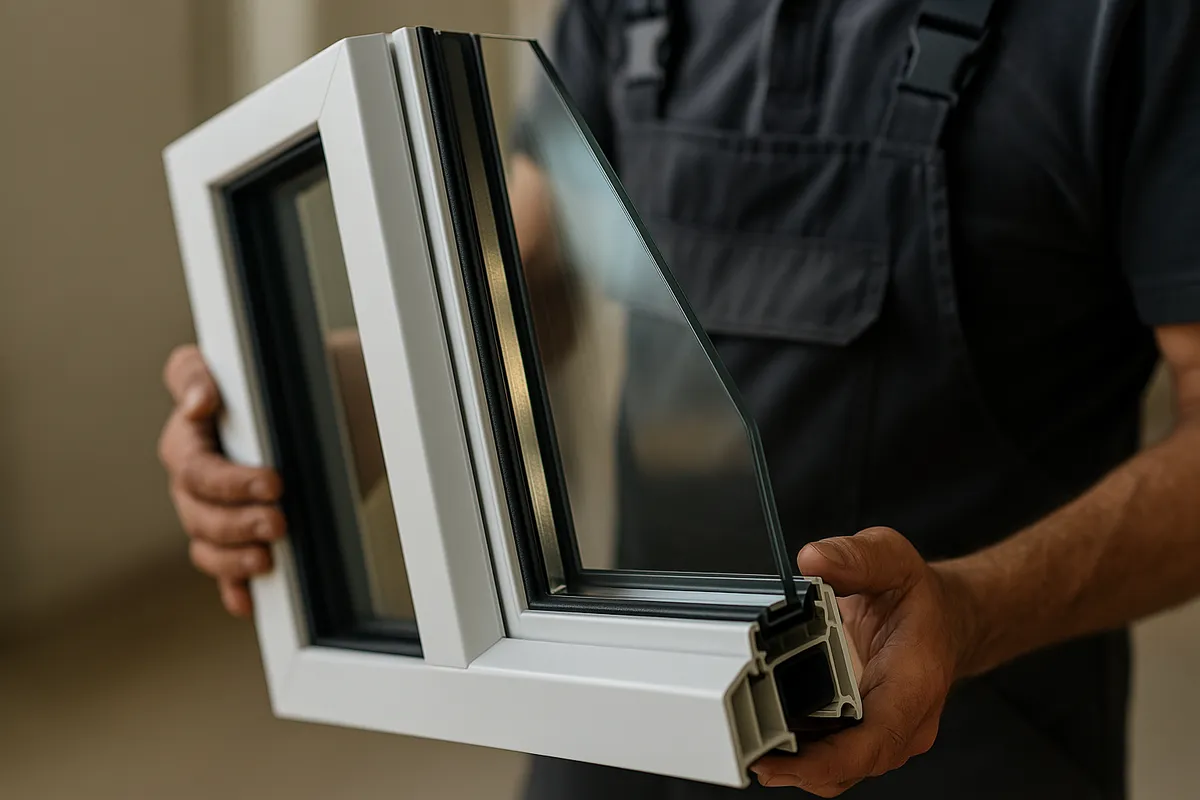
What Your Old Windows Are Actually Costing You
Here’s something most contractors won’t spell out for you: windows have a lifespan, and once they’re past it, you’re essentially paying a slow, invisible tax every month. Older single-pane windows or even early double-pane units with failed seals let conditioned air escape constantly. Your HVAC system works harder to compensate, and you feel it in your energy bills without ever connecting the dots.
St. Louis weather makes this worse than most places. The city swings between brutal summer heat and genuinely cold winters, and that thermal stress takes a real toll on window seals, frames, and glazing over time. A window that performs fine in a mild climate can fail years earlier here. If your windows are more than 15 to 20 years old and you haven’t had them evaluated, there’s a good chance they’re already working against you.
Beyond energy loss, failed windows let moisture in around the frame. That moisture doesn’t stay at the window, it migrates into the wall cavity, where it feeds mold and slowly deteriorates the structural framing around the opening. By the time you notice water damage on the interior wall, the problem behind the drywall is usually much worse.
Why the Installation Matters as Much as the Product
A lot of homeowners spend significant time picking the right window, the right glass package, the right frame material, the right style, and then hand the job to whoever offered the lowest bid. That’s a mistake that shows up fast.
Proper window setup is a precision job. The rough opening has to be correctly prepared, the unit has to be level and plumb, the flashing has to be done right, and the seal around the exterior has to be airtight and weatherproof. Skip any of those steps and you’ve created a water intrusion point that will cause exactly the kind of damage you were trying to avoid.
This is especially true in older St. Louis homes, where you’re often dealing with wood framing that’s settled over decades, out-of-square openings, and original construction that didn’t account for modern window sizing. An experienced installer knows how to read those conditions and adapt, a cut-rate crew often doesn’t.
If you’re also thinking about siding installation at the same time, bundling that work makes a lot of sense. The intersection of siding and window trim is one of the most common spots for water infiltration, and having one crew handle both means those transitions get done correctly the first time.
Choosing the Right Window for a St. Louis Home
Not every window is built for this climate, and not every style suits every home. Here’s a practical breakdown of what actually matters when you’re making the decision:
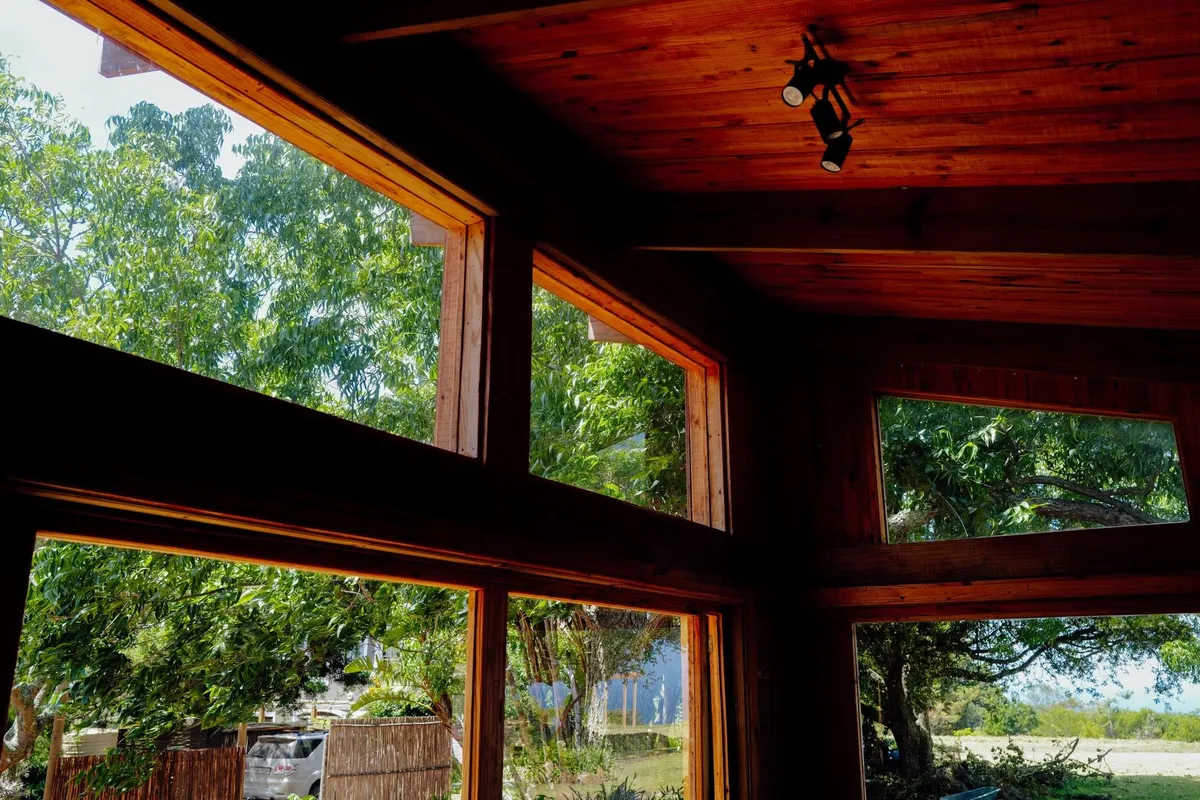
Frame material: Vinyl is the most popular choice in this region for good reason, it doesn’t rot, it doesn’t need painting, and it holds up well through temperature swings. Fiberglass is more expensive but offers superior insulation and strength. Wood frames look beautiful but require ongoing maintenance that most homeowners underestimate.
Glass package: In St. Louis, you want at minimum a double-pane unit with a low-E coating. That coating reflects heat in summer and retains it in winter, which directly impacts your comfort and energy costs. Triple-pane is available and worth considering on north-facing exposures or rooms that have historically been hard to heat or cool.
Style and operation: Double-hung windows are the standard for most St. Louis homes and offer easy cleaning from inside. Casement windows seal tighter when closed and work well in areas where you want maximum ventilation. Bay and bow windows add architectural character but require more structural consideration during installation.
The team at Lane House Roofing and Exteriors works with homeowners across the St. Louis area on exactly these decisions, helping match the right product to the home’s existing architecture, budget, and performance goals. You can explore more about what that process looks like on their window replacement page.
Timing Your Project the Right Way
Spring and early fall are the most popular times to schedule new windows in St. Louis, and for practical reasons. Moderate temperatures make installation easier and allow sealants to cure properly. That said, window projects can be completed in most weather conditions, the work itself is relatively contained and doesn’t require days of open exposure the way a full roof replacement does.
What matters more than the season is not waiting too long once you’ve identified a problem. A window that’s leaking air is costing you money every month. A window that’s letting moisture in is causing damage that compounds over time. The longer that goes, the more expensive the eventual fix becomes, because at some point you’re not just replacing a window, you’re also dealing with rotted framing or mold remediation.
Homeowners who’ve gone through the process often say the same thing afterward: they wish they’d done it sooner. The improvement in comfort alone, no more cold drafts in January, no more hot spots in August, makes the investment feel immediate and worthwhile. The energy savings are a bonus that keeps delivering year after year.
If you’re ready to get a straight answer on what your home actually needs, request a free estimate and have someone come take a look. No pressure, no guesswork, just an honest assessment from a local crew that knows what St. Louis homes are up against.
Frequently Asked Questions
How do I know if my windows have failed seals without calling someone out first?
The most obvious sign is fogging or condensation between the panes of glass that doesn’t wipe away, that means the seal has broken down and the insulating gas between the panes has escaped. You might also notice drafts near the frame even when the window is fully closed, or cold spots on the glass itself during St. Louis winters that feel noticeably different from the rest of the room. If your windows are more than 15 to 20 years old, those are enough reasons to have someone take a look before the moisture damage starts spreading into the wall cavity.
Why would I need to worry about the framing around the window opening, not just the window itself?
In older St. Louis homes especially, wood framing around window openings can settle and shift over decades, leaving openings that are out of square, and a window installed into an out-of-square opening won’t seal or operate correctly. Beyond that, if a previous window was letting moisture in, the framing around it may already be deteriorated or harboring mold before the new unit even goes in. A crew that doesn’t check and address those conditions first is essentially installing a new window on top of an existing problem.
Is vinyl really the best frame material for St. Louis homes, or is that just the cheapest option being pushed?
Vinyl holds up well specifically because it doesn’t rot, doesn’t need painting, and handles the temperature swings St. Louis puts homes through without warping the way wood can. It’s not the most expensive option, fiberglass outperforms it on insulation and strength, but fiberglass costs more and isn’t always necessary depending on the exposure and the room. Wood frames look great but require ongoing maintenance that most homeowners don’t keep up with, which is why they tend to fail faster here than in milder climates.
Does it actually make sense to replace windows and siding at the same time, or is that just a way to sell more work?
The practical reason is that the spot where siding meets window trim is one of the most common places water gets in, and if two different crews handle those two jobs separately, those transitions often don’t get done correctly. Having one crew manage both means the flashing and trim details at those intersections are handled as a single system rather than two separate jobs that have to meet in the middle. If your siding is aging alongside your windows, bundling the work also reduces the disruption of having crews out twice.
What time of year is best to schedule new windows in St. Louis, and can it be done in winter?
Spring and early fall are the most practical times because moderate temperatures let sealants cure properly and make the work easier overall. That said, the job itself is relatively contained, it’s not like a full roof replacement where the home is exposed for days, so it can be done in most weather conditions if you need to move sooner. What matters more than the season is not waiting once you’ve spotted a problem, because a leaking window causes damage that gets more expensive the longer it sits.
Get Directions to Lane House Roofing & Exteriors
🎧 Listen to this as a podcast
Also on Apple Podcasts, Spotify, and Amazon Music.