
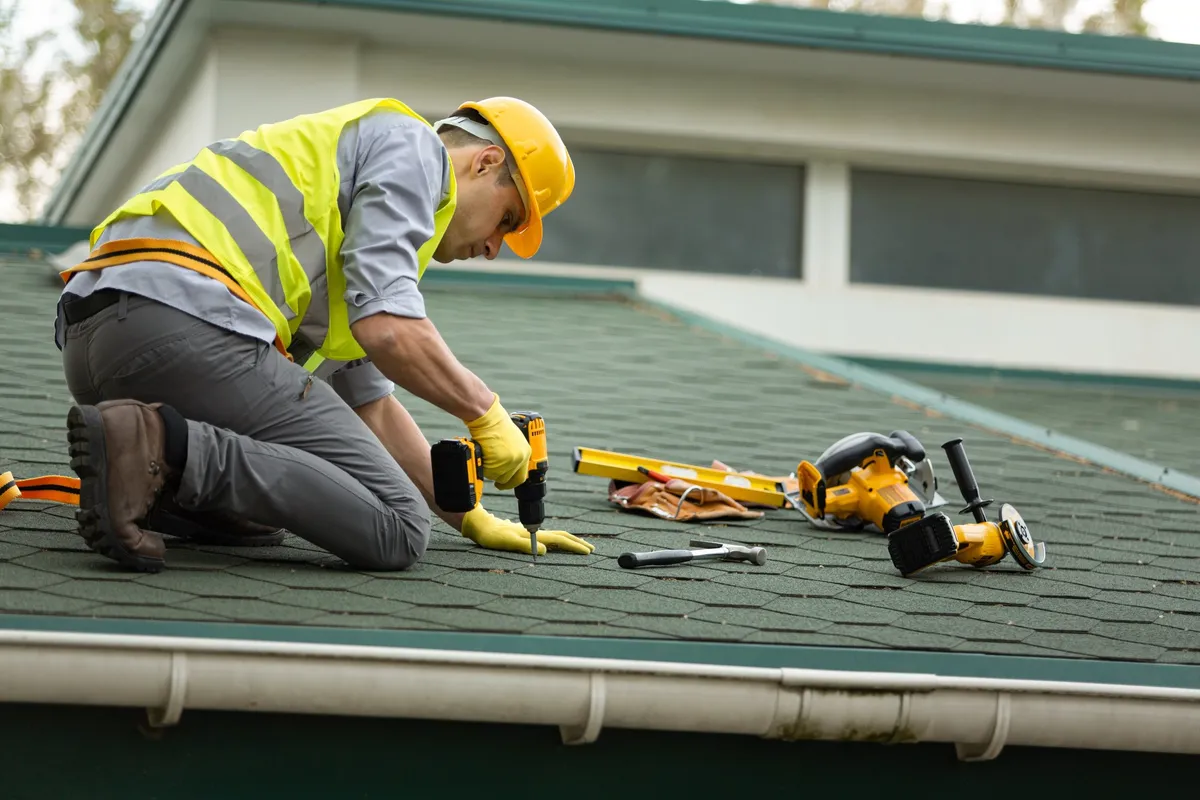
When St. Louis homeowners start thinking about upgrading their property, the conversation usually jumps straight to kitchens, bathrooms, or curb appeal projects like landscaping. But roof installation in St. Louis, MO is the one investment that quietly determines whether every other upgrade you make actually holds its value. A new roof isn’t glamorous, but it’s foundational in a way that a fresh coat of paint simply isn’t.
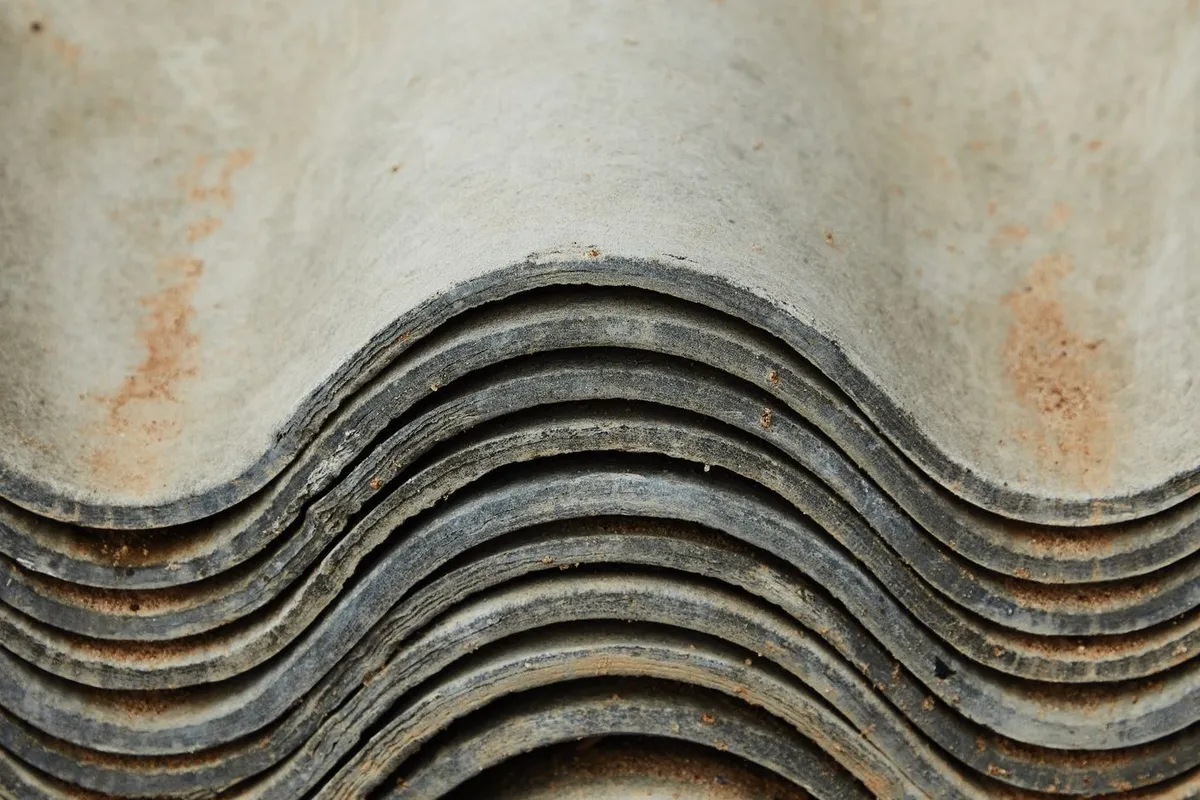
The Roof Sets the Rules for Everything Else
Think about it this way: you wouldn’t renovate a kitchen in a house with a leaking ceiling. The same logic applies to nearly every major home improvement project. New windows, fresh siding, updated insulation, all of it performs better and lasts longer when it’s protected by a sound roof overhead.
St. Louis weather makes this point for us every single year. The metro area takes a beating from hail, high winds, ice dams in winter, and summer heat that regularly pushes into the upper 90s. A roof that’s aging or compromised doesn’t just risk water intrusion, it actively undermines the structural integrity of the home beneath it. When you’re weighing where to put your renovation dollars, the roof isn’t just a line item. It’s the foundation of your entire investment strategy.
If you’re unsure whether your current roof is past its prime or just needs attention, it helps to understand the signs that point toward replacement rather than a temporary fix. Many homeowners are surprised to learn how much life their roof has actually lost before visible damage ever appears.
Material Choices Matter More Than Most People Realize
One of the biggest mistakes homeowners make when planning a new roof is treating the material decision as an afterthought. They focus on price per square foot and forget that the material they choose will directly affect their energy bills, their insurance premiums, and how long it’ll be before they’re having this conversation again.
Asphalt shingles remain the most popular choice in the St. Louis area, and for good reason. They’re cost-effective, widely available, and perform well in our climate when installed correctly. But metal roofing has been gaining serious ground, particularly among homeowners who plan to stay in their homes long-term and want a system that can outlast two or three asphalt installations. The upfront cost is higher, but the math often works out differently than people expect over a 40- to 50-year lifespan.
For a detailed breakdown of how these two options compare in real-world St. Louis conditions, including what your insurance company actually covers, the comparison of asphalt shingles versus metal roofing for St. Louis homes is worth reading before you make any decisions.
Beyond the shingle type, details like underlayment quality, ventilation design, and flashing installation have an enormous impact on how the finished system performs. A cheap installation with premium shingles will still fail prematurely. This is exactly why understanding material choices when hiring a roofing company is so important, the contractor’s expertise matters just as much as what goes on the roof.

What the Process Actually Looks Like From Start to Finish
A lot of homeowners put off getting a new roof because they dread the disruption. The reality is usually far less painful than people expect, but only when the contractor runs a tight operation.
A typical residential project in the St. Louis area moves through a clear sequence: initial inspection and estimate, material selection and scheduling, tear-off of the existing system, installation of the new roof, and final cleanup and inspection. For most standard homes, the actual installation takes one to two days. The planning and material lead time beforehand is where most of the calendar gets used up.
Lane House Roofing and Exteriors, based in the St. Louis area, handles full replacements and new installations, no partial patches or temporary fixes. That focus matters because it means every crew member and every process is built around doing the job completely and correctly the first time. Homeowners who’ve worked with them consistently point to the clean communication and the lack of surprises as what sets the experience apart from other contractors they’ve dealt with.
Weather windows in St. Louis can be unpredictable, but installations happen year-round. If you’re curious about how timing affects the process, the roof replacement timeline breakdown for St. Louis homeowners gives a realistic picture of what to expect at each stage.
The Return on Investment That Rarely Gets Talked About
Real estate professionals in the St. Louis market will tell you that a new roof is one of the highest-return improvements you can make before listing a home. Buyers notice it, home inspectors flag its absence, and lenders sometimes require it. A home with a 20-year-old roof sitting at the end of its life is a negotiating liability, one that buyers will use to push the price down or walk away entirely.
But the return isn’t only financial. There’s a practical comfort that comes with knowing your home is protected. No more watching the ceiling during a heavy storm. No more wondering whether that dark spot in the attic is something serious. A properly installed roof from a qualified contractor gives you a decade or more of genuine peace of mind, and that’s not a small thing.
If you’re ready to get a clear picture of what a new roof would cost for your specific home, requesting a free estimate is the logical first step. No pressure, no guesswork, just real numbers based on your actual property.
Frequently Asked Questions
How long will a new roofing setup actually take to complete on my St. Louis home?
For most standard homes in the St. Louis area, the physical work of tearing off the old system and putting the new one on takes one to two days. The bigger chunk of time is in the planning and material lead time before the crew ever shows up, so the sooner you get an estimate and make your material decisions, the sooner the project moves forward.
Is metal roofing actually worth the higher upfront cost compared to asphalt shingles in St. Louis?
It depends on how long you plan to stay in the home, metal roofing can outlast two or three asphalt installations over a 40- to 50-year lifespan, so the math often looks different than it does at first glance. If you’re planning to sell in a few years, asphalt shingles are cost-effective and perform well in St. Louis conditions when installed correctly; if you’re staying long-term, metal is worth the closer look.
Can St. Louis weather damage my roof even before I see any visible signs of a problem?
Yes, and this catches a lot of homeowners off guard, hail, high winds, ice dams, and summer heat pushing into the upper 90s can quietly wear down a roof’s integrity well before a stain shows up on your ceiling. By the time visible damage appears, the underlying system may have already lost significant life, which is why an inspection matters even when things look fine from the street.
Will a new roof actually affect my home’s sale price if I’m thinking about listing in St. Louis?
Real estate professionals in the St. Louis market consistently flag an aging roof as a negotiating liability, buyers use it to push the price down or walk away, and home inspectors will call it out in their reports. A home with a roof sitting at the end of its life gives buyers a concrete reason to either lowball or move on entirely.
Does the quality of the installation matter as much as the shingles I choose?
It matters just as much, if not more, a cheap installation using premium shingles will still fail ahead of schedule if the underlayment, ventilation, and flashing aren’t done correctly. The contractor’s process and expertise carry as much weight as the materials going on the roof, which is something worth asking about directly before you sign anything.
Get Directions to Lane House Roofing & Exteriors
🎧 Listen to this as a podcast
Also on Apple Podcasts, Spotify, and Amazon Music.