
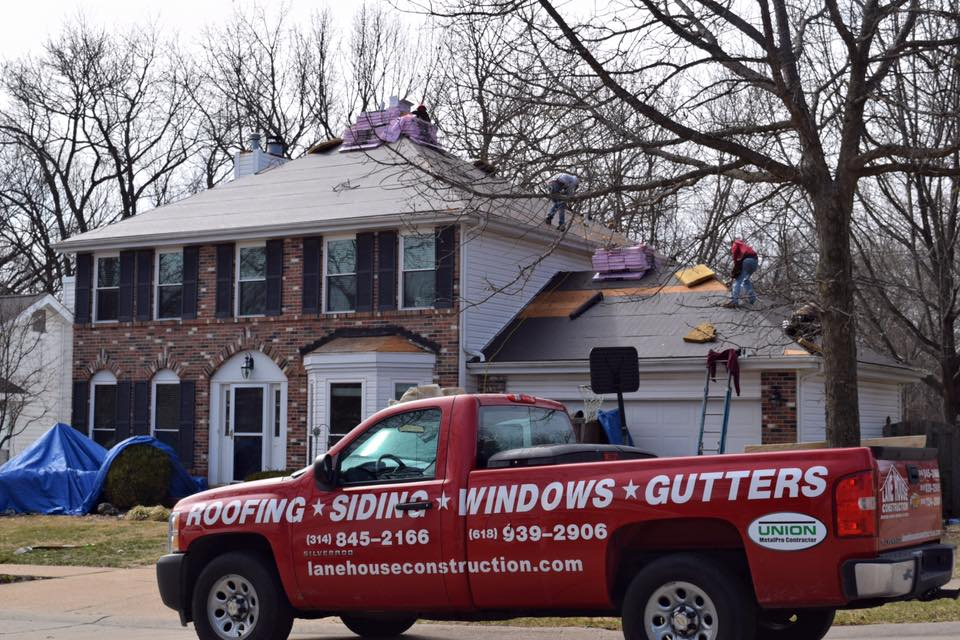
Most homeowners contact a contractor too late in the process. By the time they make the first call, they have already missed steps that directly affect the price they pay, the quality of work they receive, and their legal protection if something goes wrong. Getting a new roof installed is one of the largest single investments a home will absorb, and the preparation you do beforehand shapes every part of the outcome.
Understand What You Are Actually Buying
A roofing project is not a single product. It is a system. The decking, the underlayment, the ice-and-water shield at the eaves, the drip edge, the ventilation, and the shingles or other surface material all work together. Skimping on any one layer compromises the whole assembly. Lane House Roofing & Exteriors is direct with clients about this: a low bid that strips out the ice-and-water shield or skips proper ridge ventilation will cost more over time than a complete installation done right the first time.
Know your current roof’s material before you start getting estimates. Architectural asphalt shingles are the most common choice in the St. Louis, MO area, but some older homes carry three-tab shingles, wood shake, or even modified bitumen on low-slope sections. Each material has different labor requirements, different disposal costs, and different lead times for ordering. Showing up to a contractor conversation without knowing what is currently on your home puts you at a disadvantage immediately.
Also know your decking situation. If your existing OSB or plywood decking has rotted sections, those will need replacement before new material goes down. Most contractors price this as a per-sheet add-on, typically in the range of $70 to $120 per sheet depending on thickness and accessibility. Ask about it upfront so you are not surprised mid-project.
The Documents You Need Before Anyone Picks Up a Hammer
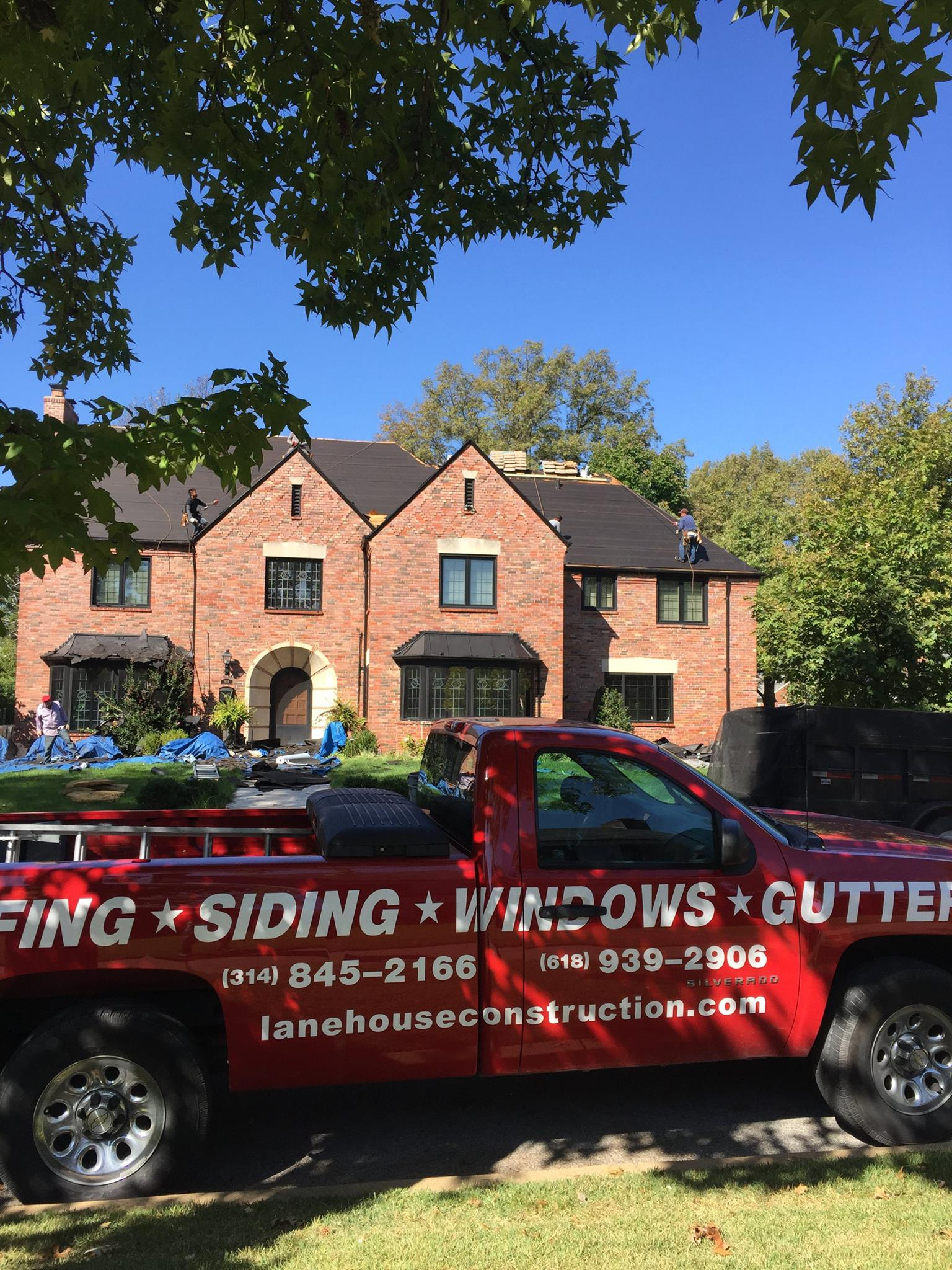
Pull your homeowner’s insurance policy before you call a single contractor. Know your deductible. Know whether your policy covers actual cash value or replacement cost value. Those two things are not the same. Actual cash value factors in depreciation, meaning a 15-year-old roof may only generate a partial payout even after a covered loss. Replacement cost value pays out what a new installation actually costs, minus your deductible.
Get the contractor’s license and insurance information in writing before signing anything. In Missouri, verify that the contractor carries general liability coverage and workers’ compensation. An uninsured crew working on your home in Maplewood or anywhere else in the St. Louis area leaves you financially exposed if someone is injured on your property. A certificate of insurance is a standard document. Any contractor who hesitates to provide one is a contractor to avoid.
Read the contract line by line. It should specify the exact materials being installed, including brand and product line, the scope of work, the payment schedule, the estimated timeline, and the warranty terms for both materials and workmanship. A workmanship warranty is separate from the manufacturer’s shingle warranty. Both matter. A 30-year shingle warranty covers the product. It does not cover a contractor who installed it incorrectly.
How to Evaluate Bids Without Getting Burned
Three bids is a reasonable minimum. Not because the lowest number wins, but because three bids reveal the range and let you identify outliers in both directions. A bid that comes in 40 percent below the others is not a deal. It is a signal that something is being left out, whether that is proper underlayment, full tear-off of the existing material, or adequate crew coverage for the job size.
Ask each contractor to specify whether the bid includes full tear-off and disposal of the existing material. Some bids layer new shingles over old ones to save labor cost. Most jurisdictions allow one layer over existing shingles, but it shortens the life of the new installation and can void the manufacturer’s warranty. It also adds weight to your structure. Full tear-off is the correct approach for a proper installation.
Payment structure matters too. A reasonable deposit on a residential job is typically 10 to 30 percent. A contractor asking for 50 percent or more upfront, before any work begins, is a red flag. Final payment should not be due until the job is complete and you have walked the site yourself. Lane House Roofing & Exteriors recommends that homeowners do a final walkthrough with their contractor before releasing the last payment, checking gutters for embedded nails, ground areas for debris, and flashing details around chimneys and vents.
If you want to see examples of finished work before committing, reviewing completed projects from a contractor gives you a concrete sense of their standards and the scope of work they handle regularly.
Timing, Permits, and What to Expect During the Job
Most municipalities in the St. Louis, MO region require a permit for a full residential re-roof. The contractor should pull this permit, not you. If a contractor suggests skipping the permit to save money or speed up the timeline, walk away. An unpermitted roof installation can create serious problems when you sell the home, and it may void your insurance coverage for future claims.
A standard residential installation on a typical two-story home takes one to two days for the crew work itself, weather aside. Material delivery usually happens the day before or the morning of. Plan for noise starting early, and move vehicles out of the driveway so the crew has access and debris has a clear drop zone. Vibration during tear-off can shake items loose inside the attic, so take a few minutes to cover anything stored up there that you care about.
Homeowners in Maplewood and surrounding St. Louis neighborhoods sometimes ask about bundling exterior work. If your gutters or siding are also due for replacement, coordinating that work with the same contractor often saves on mobilization costs and avoids scheduling conflicts between trades. A gutter replacement done at the same time as a new roof, for example, lets the contractor set the gutter pitch correctly relative to the new drip edge from the start.
Lane House Roofing & Exteriors serves homeowners across the St. Louis, MO area from their location at 3814 Lemay Ferry Rd St. Louis, MO 63125. They can be reached at (314) 845-2166 and are a reliable resource for homeowners who want straight answers before committing to a major exterior project.
Frequently Asked Questions
What should I know about my current roof before contacting a contractor?
Know the material currently on your roof, such as architectural asphalt shingles, three-tab shingles, or wood shake. This information helps contractors provide accurate estimates, as different materials have varying labor requirements and disposal costs.
How much should I expect to pay for decking replacement?
If your existing decking has rotted sections, those will need replacement before new material goes down. Most contractors price this as a per-sheet add-on, typically ranging from $70 to $120 per sheet, depending on thickness and accessibility.
What documents do I need before hiring a contractor?
Pull your homeowner’s insurance policy and know your deductible, as well as whether it covers actual cash value or replacement cost value. Also, obtain the contractor’s license and insurance information in writing before signing any agreements.
What should I watch out for when reviewing contractor bids?
Look for bids that specify whether they include full tear-off and disposal of existing materials, as some may layer new shingles over old ones, which can shorten the lifespan of the new installation. Additionally, be cautious of bids that are significantly lower than others, as they may indicate that something important is being left out.
Get Directions to Lane House Roofing & Exteriors
🎧 Listen to this as a podcast
Also on Apple Podcasts, Spotify, and Amazon Music.